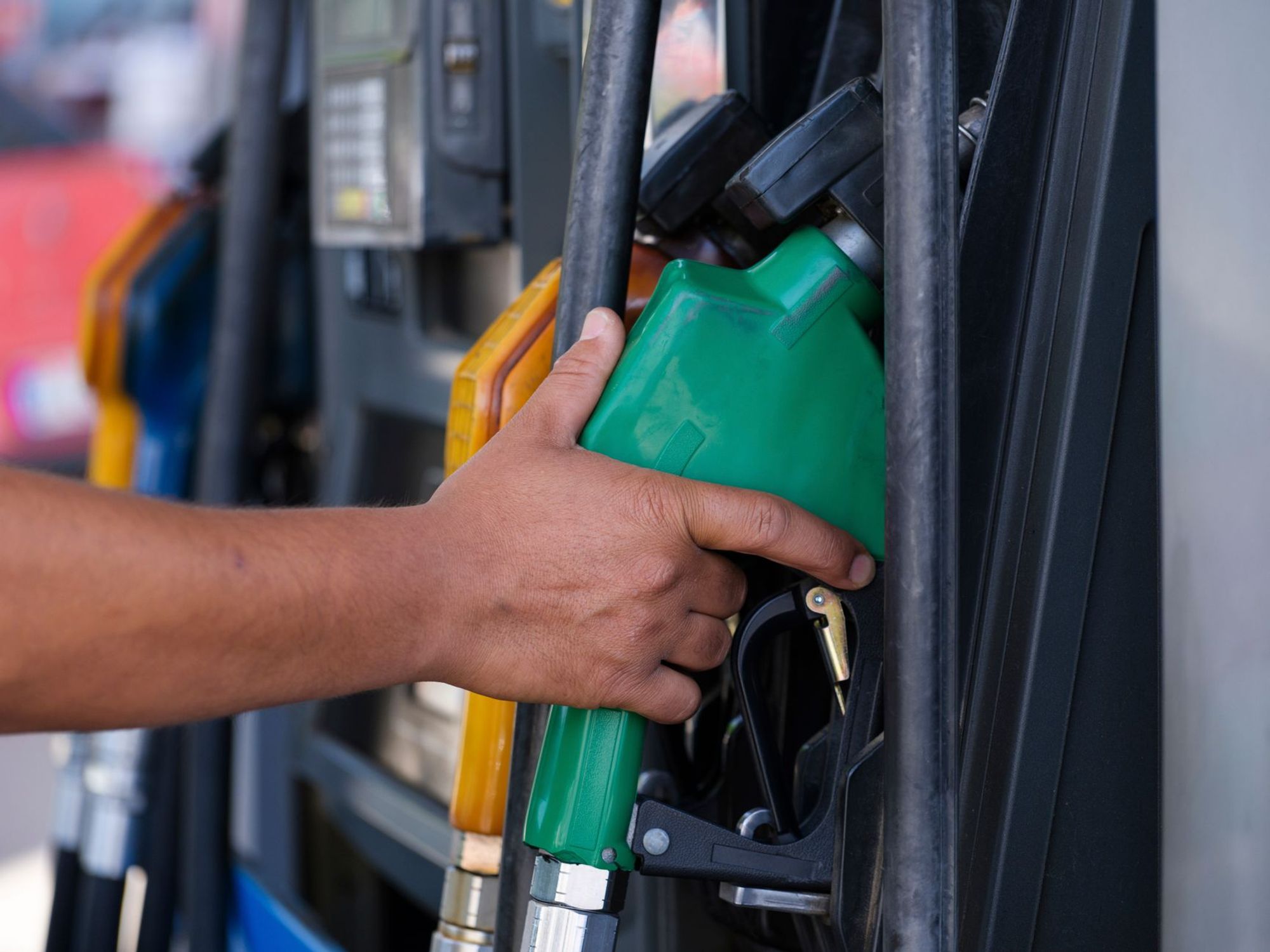
Household spending in August 2026 was unchanged from July, according to the Australian Bureau of Statistics, after rises of 1.1% in July and 0.9% in June. Underneath that flat result, Australians spent less on recreation, clothing and food, and more on transport. Fuel spending rose 8.1% in the month, and new vehicle sales, especially electric vehicles, also lifted transport spending.
If you are budgeting for a car loan, the August figures show where the pressure is: the cost of running a car is rising even as households cut back elsewhere.
Quick answer: what the August household spending figures mean
Total household spending was flat in August 2026 but 6.8% higher than a year earlier. Fuel spending rose 8.1% after the full restoration of fuel excise from 3 August. For car buyers, that means building realistic fuel and running costs into your budget, because lenders look at your actual spending when they assess a loan.
What the ABS household spending data shows for August 2026
The figures come from the ABS Monthly Household Spending Indicator for August 2026, released on 29 September 2026. In current price, seasonally adjusted terms:
- Total household spending was flat (0.0%) in August and 6.8% higher than in August 2025.
- Transport spending rose 2.3%, the largest increase of any category. The ABS says both fuel spending and new vehicle sales contributed, especially electric vehicle sales as households respond to rising fuel prices.
- Fuel spending rose 8.1% following the full restoration of fuel excise duty from 3 August, which ended the Federal Government's Fuel Tax Relief measures introduced on 1 April.
- Excluding fuel, total household spending would have fallen 0.3%.
- Recreation and culture fell 1.4%, after months of higher spending associated with major sporting events. Clothing and footwear and alcoholic beverages and tobacco both fell 1.0%.
- Hotels, cafes and restaurants rose 0.8% and miscellaneous goods and services rose 0.3%.
- Discretionary spending fell 0.3%, while non-discretionary spending rose 0.6%.
The ABS also noted experimental data suggesting the volume of fuel bought fell 0.5% in August, after a 4.6% fall in July. In other words, households paid more for fuel while buying a little less of it.
Fuel costs and your car loan budget
The fuel figures matter because fuel is one of the biggest regular costs of owning a car, and it sits outside the loan repayment. When you work out what you can afford, the repayment is only part of the picture. Fuel, insurance, registration, servicing and tyres all come out of the same budget.
Higher fuel spending was also visible in the ABS consumer price figures for August, which we covered in August 2026 inflation hits 4%. Our earlier piece on car running costs rising faster than inflation breaks down the ongoing costs to plan for.
A practical approach is to estimate your weekly kilometres, the fuel use of the car you are considering, and a realistic fuel price, then add that to your repayment before deciding on a loan amount. If the total feels tight now, it may feel tighter if prices rise again.
How household spending affects car loan serviceability
When you apply for a car loan, lenders look at your income, your existing debts and your living expenses. Many lenders review your bank statements and compare your declared expenses with your actual spending, and with a benchmark for a household like yours. Spending that has crept up, such as a bigger fuel bill each week, can show up in that assessment.
The August data shows the shift in a useful way. Non-discretionary spending, the essentials, rose 0.6% while discretionary spending fell 0.3%. Essentials are harder to cut, so lenders may treat them as fixed. Discretionary spending is easier to reduce, and trimming it in the months before you apply may help your bank statements tell a clearer story.
Our guides to household expenses and your loan application and what lenders check on your bank statements explain this in more detail.
Electric vehicles and fuel prices
The ABS specifically pointed to electric vehicle sales lifting transport spending in August, as households respond to rising fuel prices. If you are weighing an electric car against a petrol one, fuel savings are only part of the comparison. The purchase price, insurance, charging setup and the loan amount all matter, and a larger loan means higher repayments.
We looked at the shift to electric cars in one in five new cars is now electric. Some lenders offer discounted green car loans for eligible electric and hybrid vehicles, so it is worth checking lender profiles for those options.
Steps to take before applying for a car loan
- Track three months of spending, including fuel, so your declared expenses match your statements.
- Add running costs to the repayment when you set your budget, not just the loan repayment itself.
- Work out repayments first. Our guide on how car loan repayments are calculated and the loan calculators can help.
- Compare on the comparison rate, which includes most fees, when you look at car loans.
- Consider the loan amount, not just the car. A smaller loan leaves more room for fuel and other costs.
Rates and what to watch next
Running costs are rising at the same time as borrowing costs. The RBA cash rate target is 4.60%, after a 0.25 percentage point increase effective 30 September 2026, and the next decision is due on 3 November 2026. The ABS is scheduled to release the September Household Spending Indicator on 4 November 2026. Our earlier article on household spending rising 7% in a year covers how spending data feeds into the rate outlook.
Sources: ABS, Monthly Household Spending Indicator, August 2026 (released 29 September 2026) and the media release Household spending unchanged in August; RBA cash rate target and Monetary Policy Board meeting schedule, checked 13 October 2026.