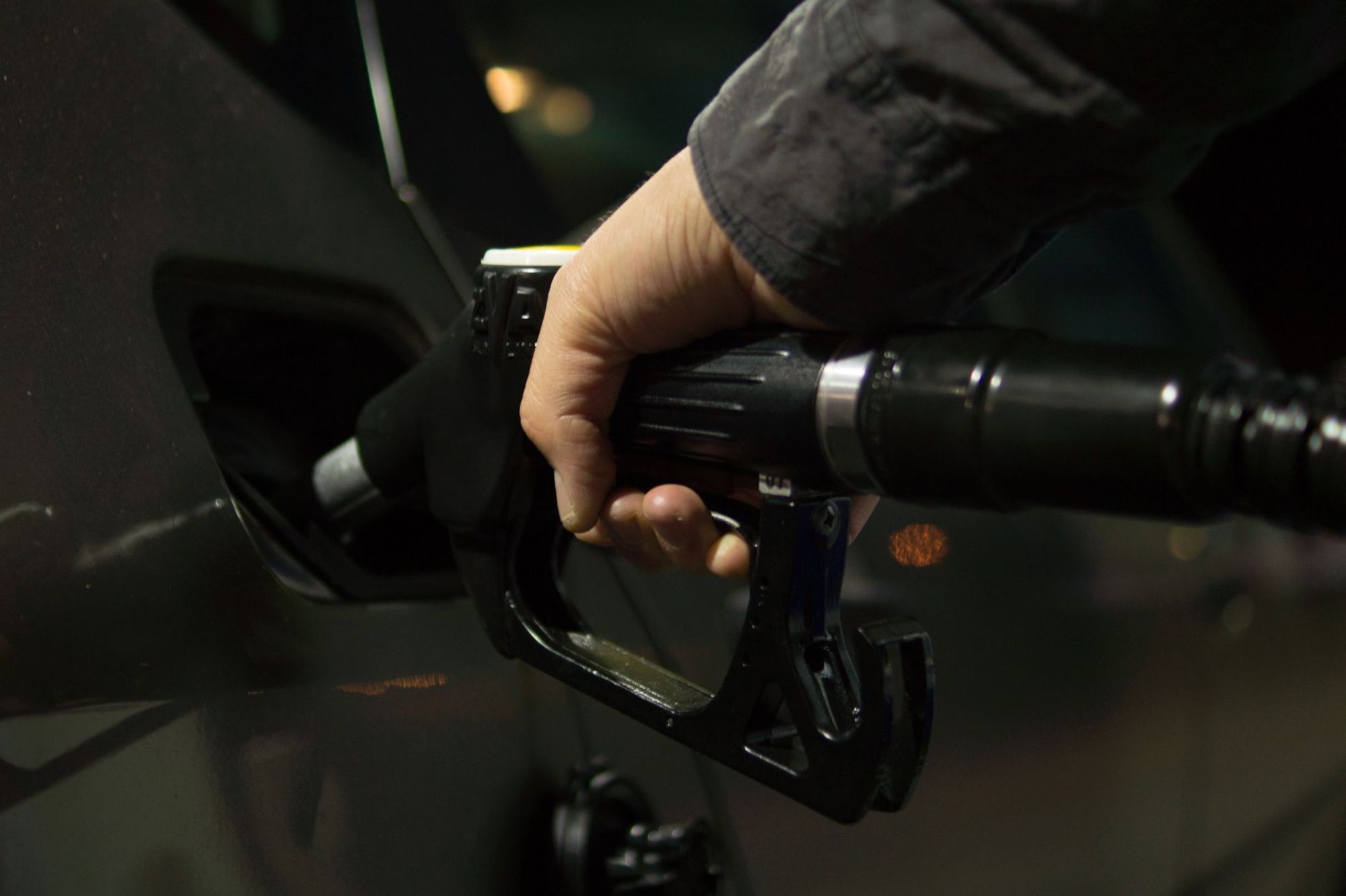
August 2026 inflation came in at 4.0%, up from 3.5% a month earlier, according to the Australian Bureau of Statistics (ABS) monthly Consumer Price Index released on 30 September 2026. For anyone planning a car loan, the headline is less important than where the rises landed: fuel, electricity, car repairs and insurance, the essential costs lenders look at when they check whether a new repayment fits your budget.
Short answer: prices for everyday essentials rose faster than prices overall in the year to August 2026. Non-discretionary spending was up 4.7% while discretionary spending was up 3.0%. Lenders assess your living expenses as part of serviceability, so higher fixed costs can reduce the repayment you can comfortably carry, even when your income has not changed.
What the August 2026 inflation figures show
The ABS figures for the 12 months to August 2026 include:
- Headline CPI: up 4.0%, from 3.5% in the 12 months to July 2026. In the month of August alone, prices rose 0.4% in original terms and 0.7% seasonally adjusted.
- Trimmed mean: 3.6%, unchanged for the third month in a row. This is the underlying measure that strips out the largest price swings.
- Housing: up 5.7%, the largest contributor, driven by new dwellings (up 5.4%), electricity (up 13.2%) and rents (up 3.6%).
- Transport: up 5.6%, the second largest contributor, with automotive fuel up 13.5% and maintenance and repair of vehicles up 6.2%.
- Insurance: up 5.6% over the year.
- Food and non-alcoholic beverages: up 3.0%, with meals out and takeaway food up 4.1%.
The ABS said automotive fuel and electricity were the key drivers of the gap between headline inflation and the trimmed mean. Both were large enough moves to be excluded from the trimmed mean calculation in August.
Why fuel and power bills jumped
Two specific changes sit behind the biggest increases. Automotive fuel prices rose 14.8% in the month of August, after a 7.5% rise in July. The ABS attributed this to higher world oil prices and the unwinding of the remainder of the federal government's fuel excise relief measures in August.
Electricity rose 13.2% over the year, up from 6.1% in the 12 months to July. The ABS said this was largely due to the ending of Commonwealth electricity rebates, with the timing of rebate payments in 2025 also affecting the comparison.
For car owners these two items stack up. A household that drives to work and pays its own power bill has felt both increases at once, and neither is easy to cut quickly.
How August 2026 inflation affects car loan serviceability
When you apply for a car loan, a lender works out whether you can afford the repayments after your existing commitments and living costs. That test is called serviceability. Lenders generally compare the expenses you declare with what your bank statements show and with a benchmark for a household like yours, then use whichever figure is more conservative.
Rising essential costs feed into that test in two ways:
- Your actual spending goes up. If your statements now show higher fuel, electricity and insurance payments, the expenses side of the assessment grows and the surplus left for a new repayment shrinks.
- Benchmarks are updated over time. Many lenders use living expense benchmarks that are reviewed periodically, so a sustained rise in essential prices can flow into the minimum expenses a lender assumes.
The detail differs between lenders, and no single figure decides an application. The direction is consistent, though: higher fixed costs leave less room for borrowing. Our guide to household expenses in loan applications explains how lenders categorise spending.
Car running costs now cost more to carry
A car loan repayment is only one part of what a car costs. Fuel, servicing, insurance and registration all come out of the same budget, and in the year to August three of those were rising faster than inflation overall:
- Automotive fuel: up 13.5%
- Maintenance and repair of vehicles: up 6.2%
- Insurance: up 5.6%
This matters when choosing the car itself. A cheaper car that uses more fuel can cost more each month than a slightly dearer, more efficient one, once the loan repayment and running costs are added together. Our earlier piece on car running costs rising in 2026 covers the July figures and the budgeting side in more depth.
Where inflation was highest by city
Annual inflation in the year to August 2026 varied across the capital cities:
- Hobart: 4.8%
- Adelaide: 4.7%
- Darwin: 4.5%
- Perth: 4.3%
- Brisbane and Canberra: 4.1%
- Sydney: 3.9%
- Melbourne: 3.5%
These are city-wide averages, so your own costs could be higher or lower depending on how far you drive, how you heat and cool your home, and whether you rent.
What this means for interest rates
The Reserve Bank of Australia (RBA) raised the cash rate target by 0.25 percentage points to 4.60%, effective 30 September 2026. Its next decision is due at 2.30pm on 3 November 2026. The ABS will release the September CPI on 28 October 2026, before that meeting.
Car loan rates do not move one for one with the cash rate, as we explain in why car loan rates don't follow the cash rate. Fixed rate car loans keep the same repayment for the full term, while variable rate loans can change if the lender changes its rates. You can compare current car loan rates and see how lenders differ on our lenders page.
How to prepare a car loan application while prices rise
Some practical steps can help your application reflect your real position:
- Recheck your budget against your last three months of statements. Update fuel, power and insurance to what you are paying now, not what you paid last year.
- Declare expenses accurately. Understating them can lead to a loan that is hard to keep up with, and lenders check statements anyway.
- Work out the repayment before you shop. Our loan calculators let you test different amounts and terms so you know what fits.
- Factor in running costs when choosing the car. A fuel-efficient model can ease both your monthly budget and the serviceability picture.
- Look at existing debts. If you already have a car loan, check whether refinancing your car loan could lower your repayment and free up room in your budget.
- Keep a buffer. If your budget only just balances today, a further rise in fuel or power could make repayments uncomfortable.
The bottom line
August 2026 inflation rose to 4.0%, and the increases were concentrated in essentials that are hard to avoid: fuel, electricity, car repairs and insurance. For car loan applicants that means checking your budget against current bills, choosing a car whose total cost fits, and comparing loans carefully. Related reading: what July's inflation figures meant for borrowing power and how living costs affect serviceability.
Figures in this article are from the ABS Consumer Price Index, August 2026 (released 30 September 2026) and the RBA cash rate target page, both checked on 6 October 2026.