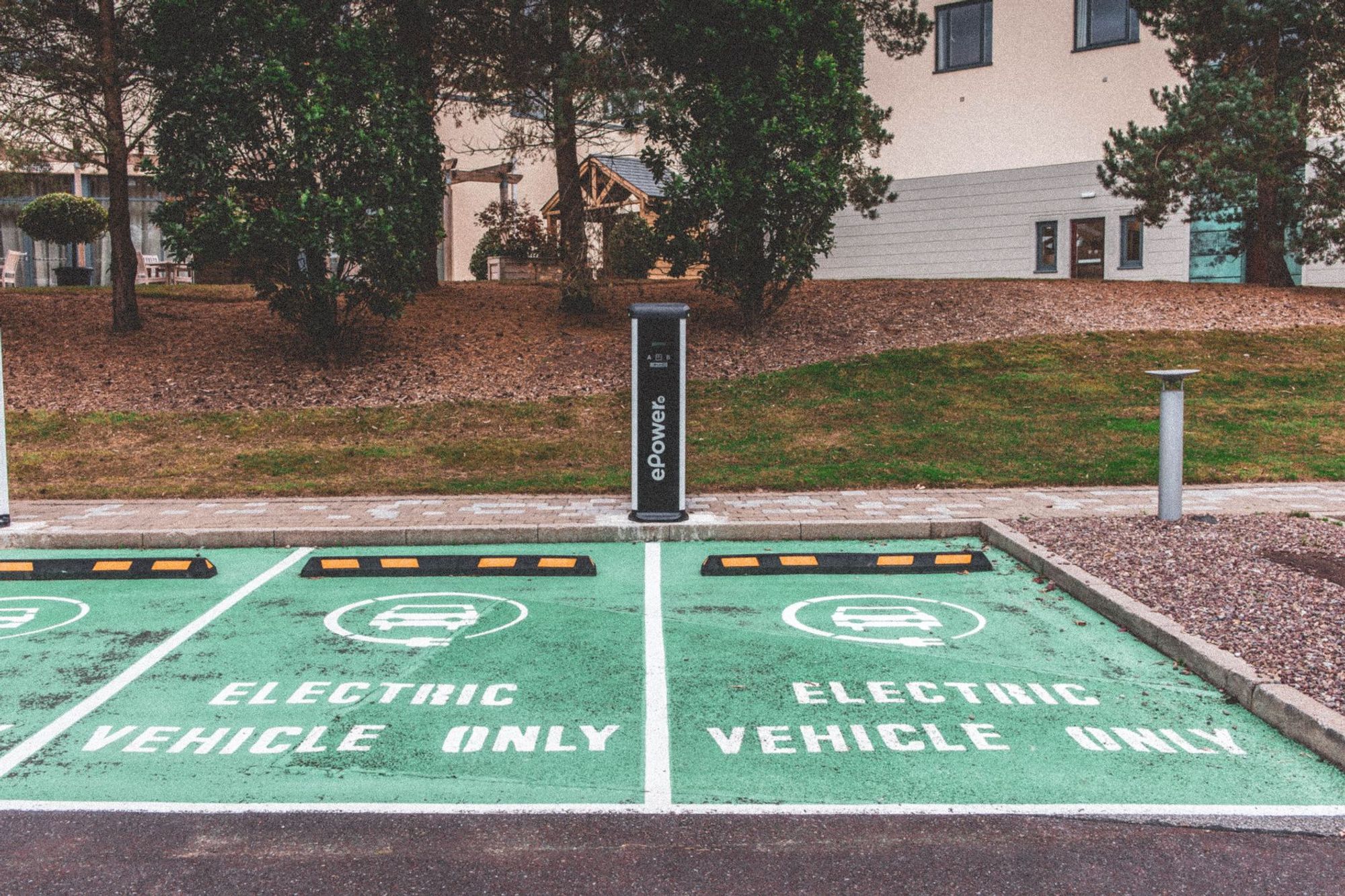
Australia's shift to electric cars stopped being a niche story some time ago. The latest new-vehicle figures make that plain, and they have a direct bearing on how a growing share of buyers will borrow.
A record July, and EVs led it
Australians bought 103,656 new vehicles in July 2026, the strongest July on record according to the Federal Chamber of Automotive Industries, edging past the previous July high of 103,097. Battery electric vehicles did much of the heavy lifting. BEVs accounted for 23,510 sales, or 21.7 per cent of the market, meaning more than one in five new cars driven out of a dealership last month was fully electric. FCAI chief executive Tony Weber described it as the best July on record and singled out that strength in battery electric vehicles.
Why a sales record matters when you borrow
More EVs on the road changes the finance picture in a few quiet ways. Greater supply and more competition among models tends to sharpen pricing, which affects the amount you need to borrow in the first place. It also pushes lenders to compete for a fast growing pool of EV buyers, and one of the ways they do that is with dedicated rate tiers.
Green car loan tiers, explained
A number of lenders now publish discounted electric and hybrid car loan rates that sit a little below their standard secured rate. The logic is straightforward. A newer, cleaner vehicle is seen as lower risk to finance, and a green tier is a way to attract borrowers buying exactly those cars. The discount is not universal and the eligibility rules differ, so it pays to compare. You can see how lenders position their products on our lender directory and check where current pricing sits on our car loan rates page.
What lenders look at differently for an EV
The loan itself is still an ordinary secured car loan, but a few things get more attention. The battery and the model's expected resale value feed into how a lender views the security, because EV values have been moving quickly as new and cheaper models keep arriving. If your loan carries a balloon or residual at the end, that volatility matters. A more conservative balloon leaves you less exposed if the car is worth less than expected when the term finishes. It is worth modelling the repayment and any balloon with a repayments calculator before you commit.
The running-cost side of the ledger
Financing an EV is only half the cost equation. Charging at home is usually cheaper per kilometre than filling a tank, and electric drivetrains have fewer moving parts to service, which can lower ongoing costs over the life of the loan. Those savings sit outside the loan, but they are real, and they change how much of your budget the repayment can safely take up. Build your borrowing around the total monthly cost of running the car, not just the loan repayment in isolation.
Car loan or novated lease?
For many EV buyers the choice is not only which lender, but which product. A novated lease can be attractive for eligible electric vehicles because it packages the car and its running costs into pre-tax salary. A standard car loan is simpler, available to anyone regardless of employer, and keeps the asset in your name from day one. The right answer depends on your tax position and how long you plan to keep the car, so compare the total cost of each rather than the headline rate alone.
Before you sign
Whatever you drive off in, the fundamentals hold. Get pre-approved so you know your real rate and budget, compare the comparison rate rather than the advertised figure, and keep an eye on your loan over time. If rates fall or your credit position improves, our refinancing guide explains when switching an existing car loan is worth the effort.
Read the fine print on a green rate
A discounted electric or hybrid tier is only a saving if the rest of the loan holds up. Some lenders fund the discount with a slightly higher establishment fee or a tighter set of eligibility rules, so a headline rate a fraction below the standard product can end up costing about the same once fees are counted. This is why the comparison rate, which folds fees into a single figure, is the number to trust rather than the advertised rate. It is also worth checking the eligibility list, because definitions of what counts as a qualifying low-emission vehicle vary between lenders, and a hybrid that qualifies at one lender may not at another. Ask whether the green rate applies for the full term or only an introductory period, and whether it is fixed or variable. A few minutes reading the conditions can be the difference between a genuine discount and a marketing line.
The bottom line
With more than one in five new cars now electric, EV finance has moved from the margins to the mainstream, and lenders are responding with dedicated tiers and sharper competition. That is good news for buyers who compare carefully. Just remember that a green rate is only worth chasing if the overall loan, fees and balloon stack up for your situation. This article is general information only and does not take your personal circumstances into account.