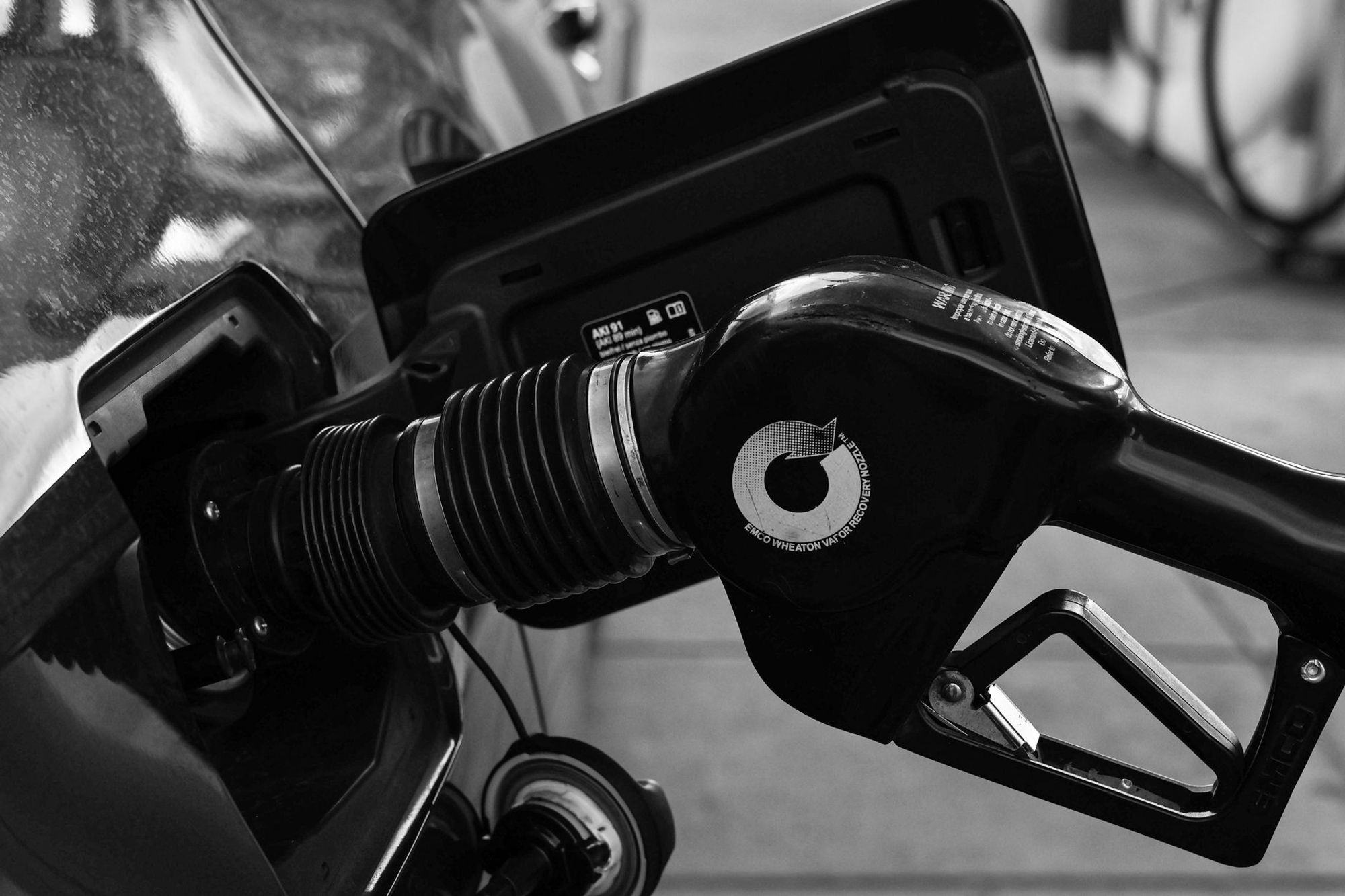
Australian inflation rose to 4.3% in the 12 months to September 2026, up from 4.0% in August, according to the ABS Consumer Price Index for September 2026 released on 28 October. For anyone planning a car loan, the more useful number sits underneath the headline: automotive fuel was up 23.6% over the year, while the price of buying a car was up 1.4%. Buying the car has barely become dearer. Running it has.
This article sets out what the September figures show, works through what those increases could add to a household's monthly costs, and explains why that matters when a lender assesses whether a new repayment fits your budget. It is general information, not financial advice.
What the September 2026 inflation figures show
From the ABS September 2026 release, in the 12 months to September 2026:
- Headline CPI: up 4.3%, from 4.0% in the 12 months to August. Prices rose 0.8% in the month of September in original terms and 0.6% seasonally adjusted.
- Trimmed mean: 3.6%, up from a revised 3.5% in August. This underlying measure removes the largest price moves each month.
- Transport: up 8.7%, with automotive fuel up 23.6% the main contributor. Fuel rose 9.4% in September alone, which the ABS put down to higher world oil prices.
- Housing: up 5.2%, with electricity up 12.8% (largely because Commonwealth electricity rebates ended over the year), new dwellings up 4.7% and rents up 3.6%.
- Insurance: up 5.4% over the year.
- Non-discretionary items: up 5.2%, against 3.2% for discretionary items.
The September release also completes the quarter. The ABS quarterly table (Table 17 in the release's data downloads) shows prices rose 1.3% over the September quarter 2026, up from 0.6% in the June quarter.
Car prices versus car running costs
The ABS splits the cost of owning a car into separate items. In the year to September 2026 (Table 3 of the same release):
- Motor vehicles (the purchase price): up 1.4%
- Maintenance and repair of motor vehicles: up 6.7%
- Automotive fuel: up 23.6%
That gap matters when you compare cars. Two cars with similar repayments can cost quite different amounts to run once fuel, servicing and insurance are added, and in 2026 those running costs have been rising much faster than prices overall. Our earlier look at car running costs rising in 2026 covers the budgeting side, and the August 2026 inflation article shows how fuel was already climbing a month earlier.
Worked example: what the rises could add to a monthly budget
This is an illustration, not a forecast. It applies the ABS annual price changes to a set of assumed household costs from a year ago. Your own spending will differ, and the ABS figures are capital city averages.
- Fuel: $70 a week a year ago, up 23.6%, becomes $86.52 a week. That is $16.52 a week more, or about $71.59 a month (multiplied by 52 and divided by 12).
- Car insurance: $1,800 a year, up 5.4% (using the ABS Insurance index as a guide), is $97.20 a year more, or $8.10 a month.
- Servicing and repairs: $1,200 a year, up 6.7%, is $80.40 a year more, or $6.70 a month.
- Electricity: $150 a month, up 12.8%, is $19.20 a month more.
Added together, that is about $106 a month more for the same driving and the same power use, with nothing else in the budget changed.
To put that in loan terms: on an assumed 5-year car loan at 8% a year with monthly repayments, $106 a month is roughly the repayment on $5,200 of borrowing (our calculation). A $30,000 loan on the same assumptions costs about $608 a month. So, all else equal, a household in this example has lost about the repayment room needed for $5,200 of loan, without any change to its income or interest rate. Lenders each apply their own assessment, so treat this as a way to see the direction of the change, not a prediction of any lender's answer. You can test your own numbers with our loan repayment calculators.
Why this matters for a car loan application
Moneysmart explains that lenders look at your income, bills and other commitments, and may decline an application if your expenses are high or other debts reduce your capacity to repay. Lenders must follow responsible lending obligations, so they cannot lend if their assessment shows you would not be able to make the repayments.
Rising essential costs feed into that assessment through your bank statements. If fuel, power and insurance are costing more, the expenses side of your budget grows and the amount left over for a new repayment shrinks. Our guide to household expenses in loan applications explains how lenders look at spending categories.
It also helps to compare costs with pay. The ABS Wage Price Index rose 3.2% over the twelve months to the June quarter 2026, while the ABS monthly CPI was 3.8% in the 12 months to June 2026. On those figures, prices rose faster than pay rates over that year. Our reading is that September's 4.3% widens that gap unless pay growth picked up, which the next Wage Price Index will show. Our article on wage growth of 3.2% and borrowing power covers the pay side.
What it means for interest rates
The Reserve Bank raised the cash rate target by 0.25 percentage points to 4.60%, effective 30 September 2026. Its Monetary Policy Board is scheduled to meet on 2-3 November 2026, and the September CPI was the last monthly inflation release before that meeting. We do not predict the decision. Our preview of the November RBA meeting explains what a change could and could not mean for car loan applicants.
Car loan rates are set by each lender and do not move one for one with the cash rate, as we explain in why car loan rates don't follow the cash rate. A fixed rate car loan keeps the same repayment for the full term. You can see how lenders currently compare on our car loan rates page.
A checklist before you apply
- Update your budget to today's prices. Use your last three months of statements for fuel, power and insurance, not last year's figures.
- Price the running costs of the car you want. Fuel use, servicing and insurance can outweigh a small difference in purchase price.
- Work out the repayment first. Use the calculators to test loan amounts and terms against the surplus you actually have.
- Declare expenses accurately. Understating costs can lead to a loan that is hard to keep up with.
- Compare lenders. Lenders assess applications differently. Our lender reviews and car loans page explain the options.
Where to check the figures
All figures in this article come from the ABS Consumer Price Index, Australia, September 2026 (released 28 October 2026, including Tables 3 and 17), the ABS Wage Price Index, June 2026, the RBA cash rate table, the RBA board meeting schedule and Moneysmart, all checked on 29 October 2026. The worked example and the borrowing comparison are our own calculations using the stated assumptions. The ABS will publish the October 2026 CPI on 25 November 2026.