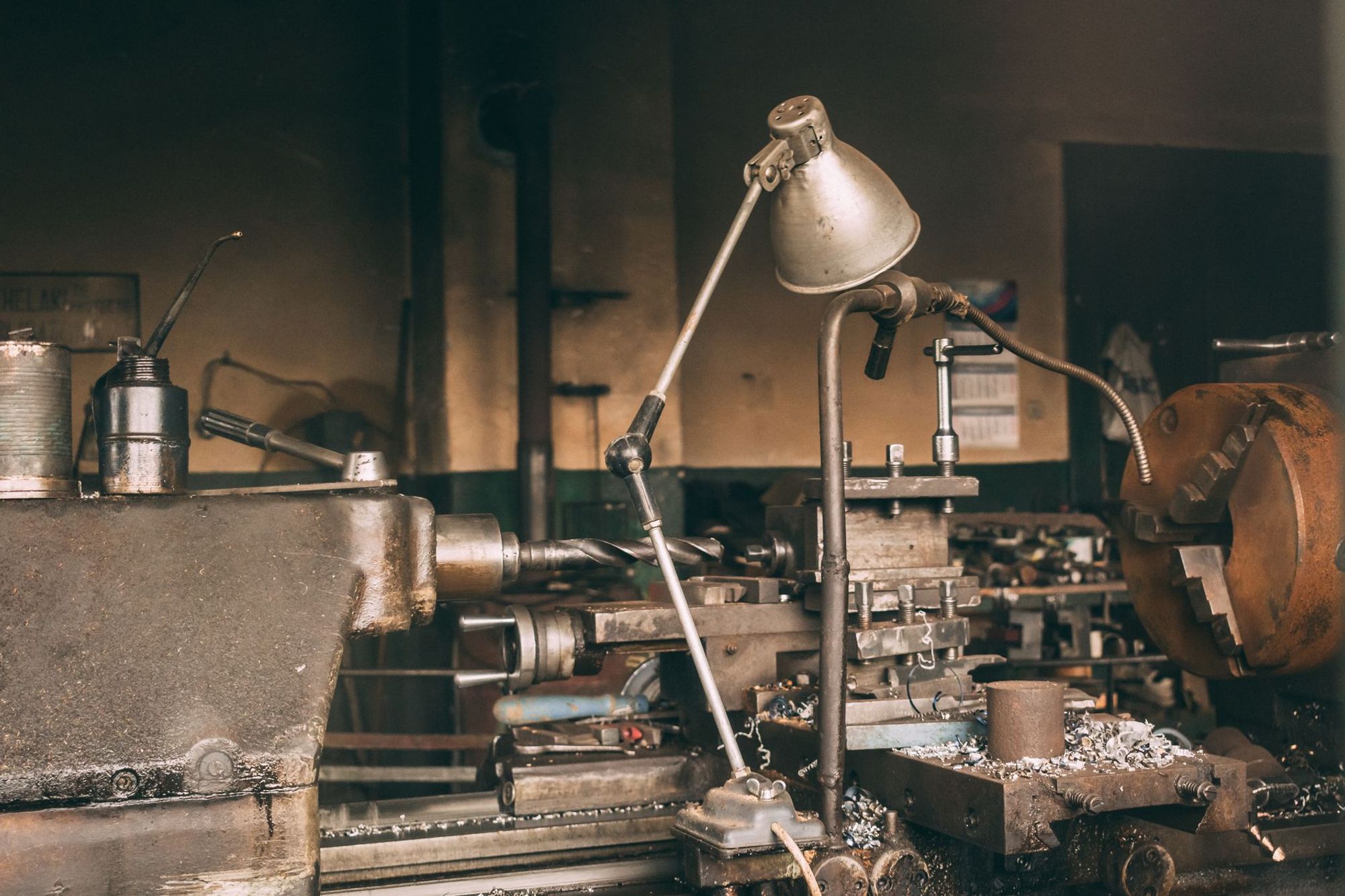
Used equipment finance can fund an existing machine through an appropriate commercial product, subject to the lender accepting the business, asset and seller. There is no market-wide age limit or automatic rule that a machine becomes unfinanceable at a particular birthday. The important questions are condition, remaining useful life, value, ownership and whether the business can repay the proposed debt.
Start with the commercial asset finance lender guide for the broader comparison. This guide focuses on the checks that matter before you commit to a second-hand purchase, especially from a private seller or auction.
Make the asset description precise
Obtain the manufacturer, model, year, serial number or VIN where relevant, hours or kilometres, location and asking price. List attachments, modifications and accessories separately. Confirm that photographs, inspection records and invoices describe the same machine rather than another unit in the seller's stock.
Ask what work it has performed and why it is being sold. Gather service records and invoices for major repairs where available. If records are missing, identify the gap clearly and price further investigation instead of treating the seller's assurance as evidence.
For imported or heavily modified equipment, obtain the documentation needed to check compliance, support and parts availability for your operation. Ask the lender early whether that asset category and specification are acceptable. A finance conversation based on a generic model name can change when the full details emerge.
Separate price, valuation and condition
The asking price is what the seller wants. A valuation is an assessment for a specified purpose. A mechanical or technical inspection addresses the equipment's condition. None of these replaces the other two.
Gather comparable assets with similar age, hours, configuration and condition, but recognise that an advertised price is not a completed sale. Ask whether the lender requires a formal valuation and who can provide an acceptable report. Do not pay for an unsuitable report before checking that requirement.
Use a competent independent inspector for the machinery involved. Request a written account of defects, near-term maintenance and any limitations on the inspection. For an excavator, our excavator finance guide explores hours and attachments. For a manufacturing line, the separate manufacturing equipment guide addresses installation and production dependencies.
Test the real saving from buying used
Consider an invented comparison. A used machine costs $55,000. Freight and commissioning cost $4,000, an inspection identifies $6,000 of immediate work, and you reserve another $5,000 for early maintenance. That creates a $70,000 cash-planning requirement before finance charges and other identified costs.
A different machine advertised for $68,000 could still cost more or less overall once its delivery, condition, warranty and setup are examined. Obtain equivalent information before deciding. The cheaper advertisement alone does not establish the better investment.
Also budget for downtime and parts delays. A machine that saves money at purchase but misses an important production window can be expensive. Keep an operating reserve and consider how you would complete work if it fails. A lender accepting the asset is not a reliability warranty.
Check who owns it and what security exists
Confirm the seller's legal identity and authority to sell. Match invoice details, the physical identifiers and any documents supporting the ownership history. If a broker or agent is arranging the sale, establish who actually owns the asset and who will receive payment.
The PPSR's used-machinery case study illustrates why a seller-based search can matter when buying equipment. The appropriate search depends on the asset category and relevant identifiers. Not every machine with a serial number can be cleared by searching that number alone; a grantor search may be needed. Use the PPSR's guidance or obtain help for the particular transaction.
Retain search certificates and resolve any relevant security with the financier before settlement. A clear search is not proof of mechanical condition, complete ownership history or every aspect of legal title. Where the result or ownership is unclear, get appropriate professional advice before paying.
Treat private sellers and auctions as distinct transactions
A lender may have different requirements for dealer, private and auction purchases. Confirm the acceptable seller type before committing, together with invoice requirements, inspections and the process for paying out any existing finance.
If a seller owes money on the asset, ask the financier or settlement provider to confirm the payout and release arrangement. Do not assume sending the full purchase price to the seller will remove the debt. Independently verify payment instructions through a trusted contact method if bank details change.
At auction, check the buyer's premium, tax treatment shown on the invoice, collection costs and settlement deadline. A winning bid may create obligations before a lender has completed assessment. Resolve finance requirements and a funding limit before bidding; do not rely on arranging a new loan after the sale.
Compare lenders on the actual commercial product
St.George equipment finance explicitly covers second-hand equipment and says useful life is considered. Its Loanseekers lender profile is background information, not acceptance of a particular used machine.
NAB's vehicle and equipment range includes new and used purchases alongside leasing options. Use our NAB profile, then ask about the proposed asset, seller and loan structure.
Pepper Money's commercial guidance describes a commercial loan and finance lease across equipment categories. Its lender profile does not confirm used-asset age limits or private-sale eligibility. Obtain that assessment for the transaction itself.
Do not transfer consumer car rates, vehicle-age rules or advertised personal-loan features into these commercial comparisons. Ask Loanseekers to confirm available lender access and current criteria for the machine you intend to buy.
Match the term and deposit to the risk
Ask how the lender assesses the asset's age now and at the proposed end date. A shorter term or a different deposit may change the proposal, but neither guarantees acceptance. Compare the resulting cash commitment with the business's operating reserve.
Request the total contractual payments, all fees, final balloon if any, early payout terms and security requirements. Consider whether the machine will still perform useful work when the debt ends. Our commercial balloon guide helps assess a final lump sum without assuming a future buyer or refinance will be available.
Assemble the quote, inspections, seller details and financial evidence using the commercial application document checklist. Agree the settlement and collection sequence before funds move. Loanseekers can compare available business equipment finance options around the complete purchase, rather than an advertised machine price alone.