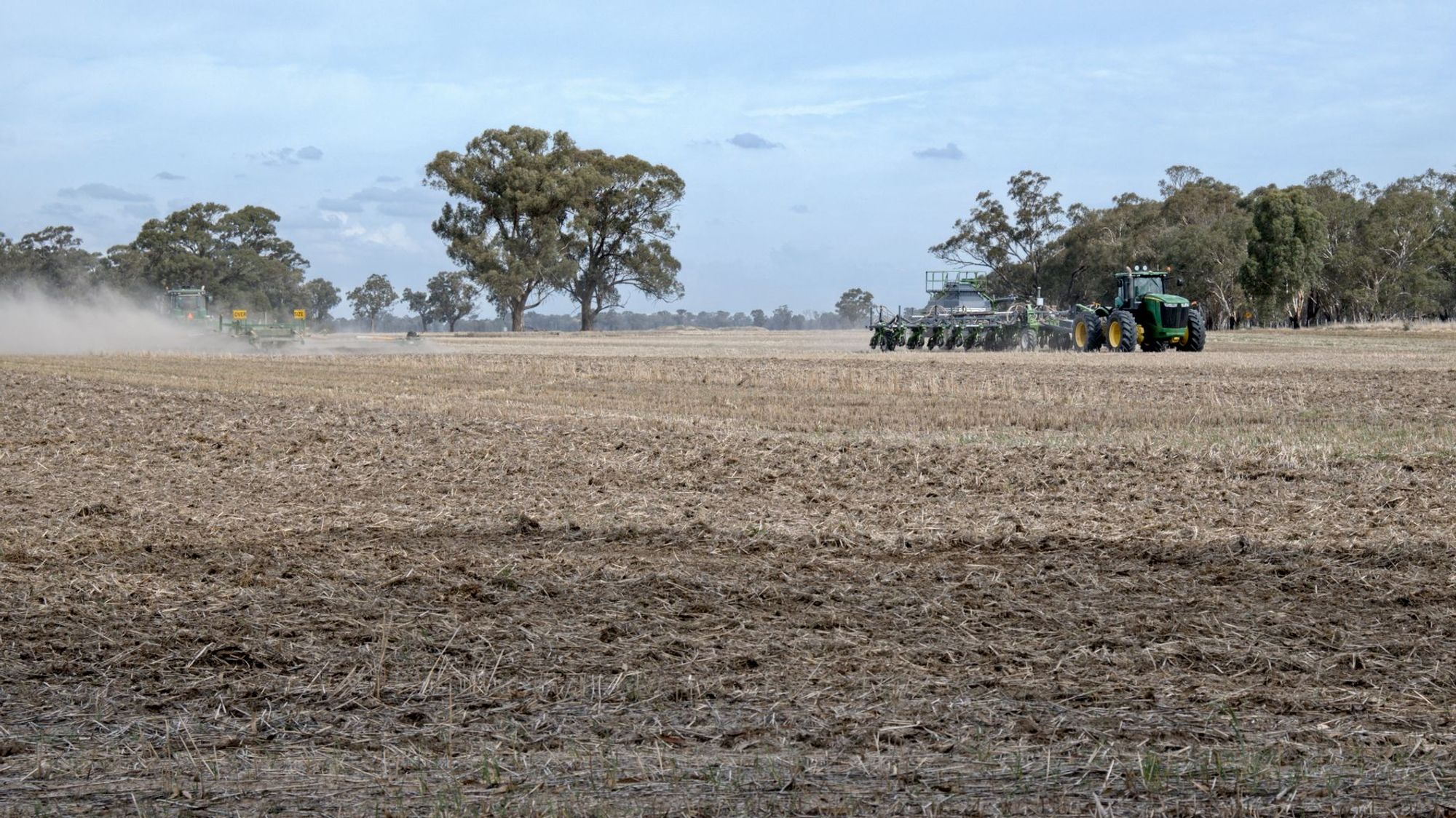
Agricultural equipment finance can spread the purchase cost of a tractor, harvester or other farm machine over an agreed term. The useful comparison considers when farm income reaches the bank, the machine's condition and operating costs, and how repayments will be met through a weaker season.
Start with the job the machine must do
Define the operational problem before choosing the loan. Is the tractor replacing an unreliable unit, adding capacity to an established operation or supporting a new contracting service? Each reason needs a different budget. Replacement may preserve existing production; expansion relies on work that has not yet happened.
Write down required capacity, compatible implements, operator availability, travel between properties and the latest useful delivery date. A machine arriving after its working window may still create finance obligations. Compare ownership with hiring equipment or using a contractor for the peak period, including availability and the cost of delays.
Our machinery finance guide covers the broader structures. This decision starts with the farm calendar and the particular asset, rather than treating all machinery as interchangeable.
Match the forecast to cash receipts
Harvest and payment are different events. Show the expected dates of crop or livestock sales, any staged receipts, and existing commitments falling between them. Include wages, inputs, fuel, repairs, insurance, household drawings and other debt. An annual profit figure can hide a month when the bank balance runs short.
Create a base forecast and a second forecast with later receipts, weaker sales and one major repair. Use assumptions you can explain from your own records. The purpose is to identify a cash shortage while the purchase and finance structure can still change.
Seasonal structures may be available. ANZ's vehicle and equipment finance explanation describes repayments aligned with harvest timing. Ask whether that flexibility is available for your proposal, exactly which months carry larger payments and what happens if harvest income arrives late. A seasonal schedule does not automatically change when the weather does.
Assess a used tractor or harvester as a working asset
Age alone is a poor buying checklist. Ask for engine hours, service records, major rebuild details, attachment inclusions and an independent inspection appropriate to the equipment. For a harvester, discuss wear in the processing system and the cost of bringing it into season-ready condition. For a tractor, check the intended implements and hydraulic requirements with a qualified supplier.
Separate the purchase price from immediate repairs and upgrades. An attractive auction price can leave little cash for tyres, transport, servicing or missing attachments. Obtain written repair estimates before deciding how much cash remains available for a deposit.
Confirm the seller's identity, ownership evidence and any existing finance. The PPSR's machinery guidance explains that searches may involve a vehicle serial number and/or the relevant grantor identifier. Ask which search applies to this machine; a manufacturer's serial number does not make every item searchable in the same way. Our used equipment finance guide expands the purchase checks.
Keep the deposit separate from the operating reserve
A larger deposit reduces the amount borrowed, but taking it from money needed for seed, feed or contractors creates a different funding problem. Set a minimum operating reserve before choosing the deposit. Then compare proposed structures using the remaining cash, not the full account balance.
Consider this planning example, not a lender quote: a farm has $70,000 available, with $45,000 allocated to committed seasonal expenses and $10,000 reserved for repairs. That leaves $15,000 before any additional buffer. Treating the entire $70,000 as a deposit would ignore costs the farm already expects to pay.
If a balloon is proposed, add its due date to the same forecast. Do not assume a future machine sale will clear it. Hours, condition, market demand and selling costs affect the cash eventually received. Read commercial asset finance balloon payments before using a large final amount to lower scheduled repayments.
Compare lenders on the relevant commercial product
The NAB profile provides general lender context. Its separate business vehicle and equipment loan expressly includes agricultural equipment. Ask about the particular machine, seller, repayment pattern and supporting financial evidence; inclusion of agriculture does not establish eligibility for your farm.
The Westpac profile focuses on consumer car lending. Westpac's separate business equipment loan lists new and used agricultural equipment. Consumer rates and vehicle rules on a profile should not be applied to a commercial machinery application.
Use the commercial asset finance lender guide to organise comparisons. Request the same purchase amount, deposit, term and final balance from each suitable provider. Then compare total payments, fees, security, insurance requirements and early payout conditions, alongside whether the schedule fits the farm's receipts.
Prepare a seasonal application pack
A useful pack connects the financial evidence to the machinery decision:
- Identify the borrowing entity, ABN, owners and the entity purchasing the machine.
- Supply the financial records requested, with current bank statements and existing finance commitments.
- Explain seasonal receipts using dated sales records, contracts or other available evidence.
- Include a supplier quote with the machine, attachments, identifiers, condition and delivery terms.
- Identify deposit funds, existing trade-in debt and cash reserved for operating costs.
- Attach the inspection, repair estimates and the timing of the next working season.
The commercial asset finance documents guide explains the wider application pack. A new enterprise should explain the operator's experience and its assumptions separately from established farm revenue. Projections help explain a proposal but do not turn uncertain sales into contracted income.
Make the purchase and funding dates agree
Before committing, confirm the supplier's deposit terms, cancellation conditions and settlement deadline. Establish who organises transport and when insurance needs to start. If equipment is imported, check current Australian machinery import requirements; contamination can cause serious delivery and cost problems.
Ask for outstanding finance conditions in writing. A discussion about a loan is not confirmation that funds can be paid on auction day or before harvest. Leave room for valuation, documentation and settlement steps rather than planning to solve them after a non-refundable commitment.
Bring the quote, cash-flow calendar and used-machine evidence to a Loanseekers machinery finance enquiry. That gives the conversation a clear objective: compare a finance structure the farm can sustain while keeping the equipment and operating reserve ready for work.