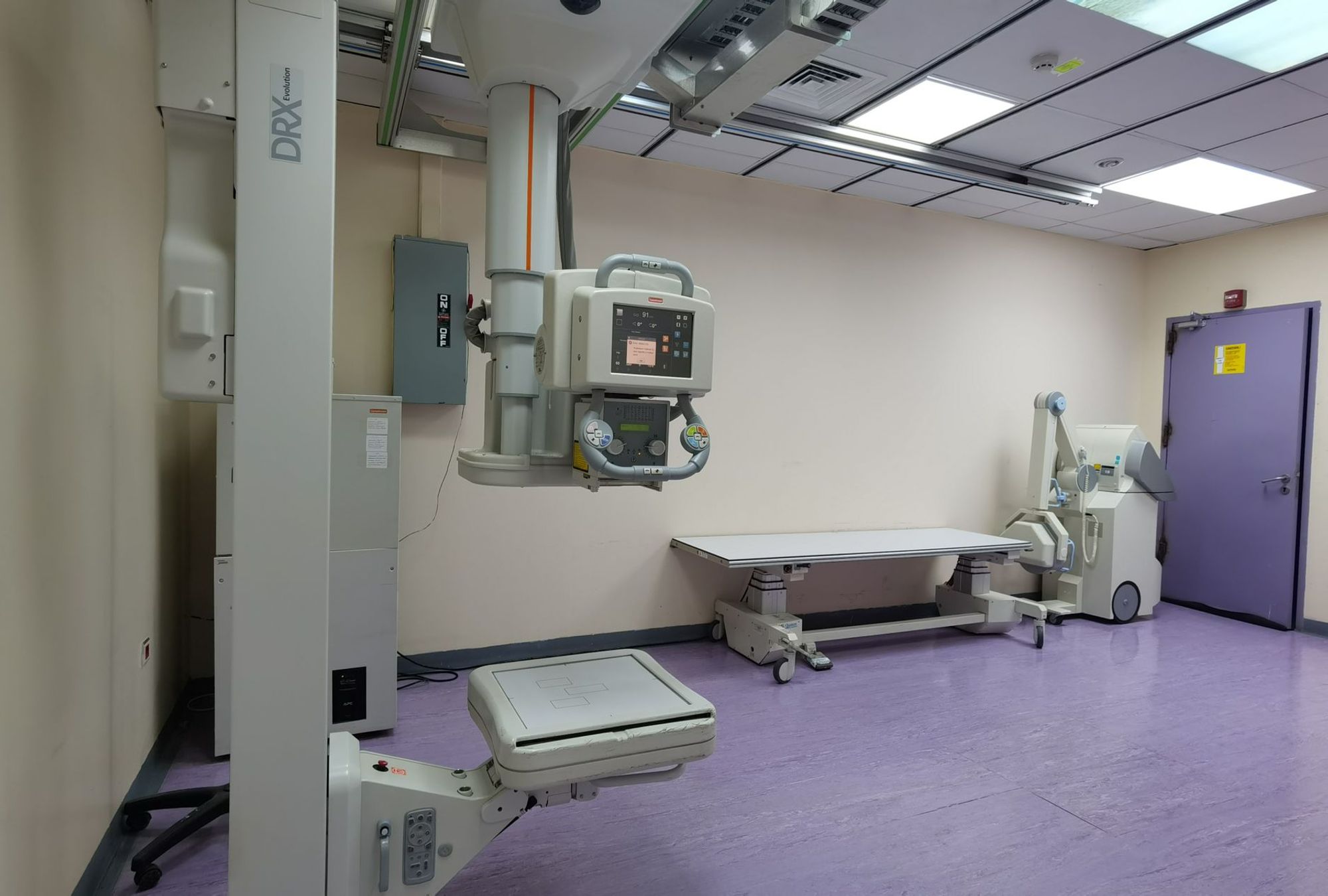
Medical equipment finance can help a practice spread the cost of business equipment, but the purchase price is only one part of the commitment. Compare the full installed cost, servicing and software obligations, expected replacement date and practice cash flow before choosing a loan or lease.
Define the purchase before comparing repayments
A quote for a device may exclude installation, accessories, training, software subscriptions and ongoing support. Start with a complete specification agreed with the responsible clinical and technical staff. The finance decision should follow that specification; a borrowing limit should not decide which device is clinically appropriate.
Identify what the practice is buying outright, what is licensed and what is supplied through a separate service agreement. Hardware, subscriptions, consumables and building work can require different funding arrangements. Do not assume a lender will finance every line simply because the supplier sells them together.
For the general ownership structures, see our business equipment finance guide. The additional question here is whether the equipment will remain supported and commercially useful for as long as the practice plans to pay for it.
Build a complete installed-cost budget
Ask the supplier to itemise the device and all work required to make it usable at the premises. Depending on the equipment, that conversation may include access, power, networking, room modifications, commissioning and specialist installation. Obtain the relevant qualified assessments rather than estimating technical requirements from a brochure.
Add professional installation costs, staff training time, initial consumables and any temporary disruption to the practice. Confirm which costs are fixed and which remain estimates. If the landlord must approve work, resolve that before relying on a delivery date.
Keep a separate list of expenses that the lender has not agreed to fund. Those expenses need their own cash source. A loan covering the device price can still leave a substantial opening cash requirement if the surrounding work is omitted from the budget.
Compare three different useful lives
Write down the expected physical life of the equipment, the period of supplier support, and the time the practice expects to keep it. These dates may differ. A machine can still operate while its software, interfaces or support arrangements become a practical constraint.
Ask the supplier about software access, upgrades, licence transfer, spare parts and service availability. Obtain written terms, particularly for used or refurbished equipment. Record what happens to software and service entitlements if ownership changes or a subscription ends.
Compare the likely replacement date with the proposed finance end date. If the practice expects to replace the device earlier, request the lender's early payout method and ask the supplier about resale or trade-in terms. A forecast trade-in allowance is not the same as a binding buyback commitment.
Price service continuity alongside the loan
A low finance repayment says little about the cost of keeping the equipment available. Review the service agreement for response times, parts, call-out charges, planned maintenance and any loan equipment. Identify exclusions and the process for escalating a failure.
The government's equipment buying guidance recommends checking repair support and spare-parts availability. For a practice, turn those questions into a disruption plan: who contacts the supplier, which services can continue, and what alternative arrangements cost.
Keep clinical suitability and procurement checks with the appropriately qualified people. Finance approval does not verify device safety, suitability or regulatory compliance. Before payment, obtain the supplier's evidence relevant to the device and confirm who is responsible for commissioning and acceptance.
Stress-test the business case without optimistic utilisation
Separate replacement equipment from equipment intended to create a new revenue stream. A replacement budget can begin with current activity and costs. Expansion needs an explanation of demand, staffing, available rooms and the time needed to establish the service.
Use cash actually expected to be collected, including billing delays. Deduct staff costs, consumables, support charges and other operating expenses before estimating the amount available for finance. Do not equate a procedure price with contribution to repayments.
For a hypothetical planning exercise, assume delivery moves back one month and activity starts more slowly than expected. Keep wages, rent, subscriptions and existing debt in the forecast. Record the extra cash needed and where it would come from. This is a useful decision test even before a lender supplies a quote.
Compare commercial products in the right context
Our ANZ profile covers consumer lending context. ANZ's separate health business banking offering includes medical equipment and diagnostic technology funding, with separate finance for other practice needs. That distinction helps frame questions about whether your proposal is equipment, fit-out or broader business finance.
The NAB profile is also general lender context rather than a medical equipment eligibility guide. NAB Health's official page links medical equipment and asset finance through its health offering. Confirm the actual provider, product, applicant and equipment requirements before comparing terms.
These are examples of commercial offerings, not confirmation that a particular practice qualifies. Use our commercial asset finance lenders guide to prepare a like-for-like comparison, and keep consumer loan rates or conditions out of the equipment decision.
Ask different questions for a loan and a lease
With a loan proposal, identify ownership, security, guarantees, total payments, fees and any final balloon. With a lease, establish ownership, service inclusions, return conditions, extension arrangements and end-of-term costs. A lease does not automatically include maintenance or an unrestricted upgrade option.
Compare costs over the period the practice actually intends to use the equipment. Include removal, data handling, transport and any overlapping commitments when replacing it. Ask the accountant to assess the relevant tax and accounting treatment using the actual agreements rather than a sales summary.
If a final lump sum is proposed, read commercial asset finance balloon payments. If funding is also needed for wages, stock or the wider project, compare asset finance with a business loan before combining unlike costs into one facility.
Prepare one clear purchase and finance brief
Bring these items together before authorising the purchase:
- The borrowing and equipment-owning entities, including relevant ABN details.
- The itemised quote, software licences and service agreement.
- Delivery, installation, commissioning and acceptance milestones.
- Current practice financial records and existing finance commitments.
- A cash-flow forecast including disruption and slower initial activity.
- The expected replacement date and end-of-term funding plan.
Our application documents guide covers the wider financial pack. Submit the brief through Loanseekers business equipment finance to discuss available structures. A complete picture makes it easier to identify costs that need separate funding before the practice signs a supplier contract.