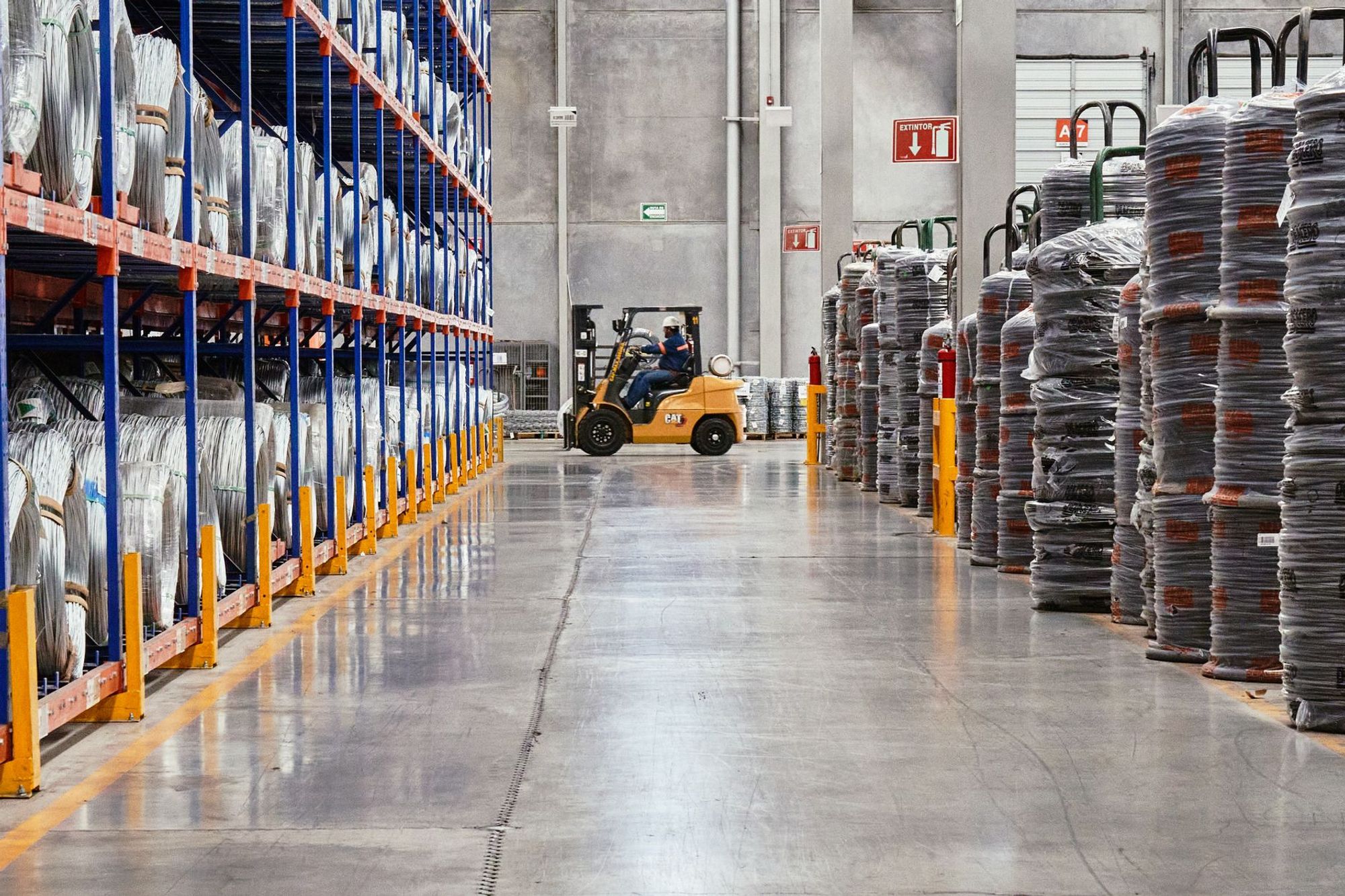
Forklift finance and rental solve different business problems. Buying can give you control over an asset you expect to keep working for years. Rental can provide capacity for a period you can define.
Start with the business equipment finance options, then compare ownership with an actual rental proposal for the same job. A low monthly figure is not enough if one option includes maintenance and the other leaves servicing, repairs and replacement hire to you.
Define the job before choosing the funding
Describe the heaviest and most awkward loads, required lift height, attachments, aisle widths, floor conditions and indoor or outdoor use. Ask a competent supplier to match the machine to those requirements. Include the site manager and operators in the discussion so the specification reflects actual work.
WorkSafe Victoria's selection guidance says suitability should be assessed before buying, hiring or leasing. It covers the loads, workplace and operator capabilities. Use the relevant regulator's requirements for your location and operation; the finance decision does not replace the safety assessment.
Request comparable specifications in each quote. A rental offer for a smaller machine is not a fair benchmark for financing the capacity your work actually needs.
Measure normal demand separately from the peak
Build a simple log of working hours, busy periods and tasks delayed because no machine was available. Distinguish time moving loads from time switched on, waiting or parked. If you do not have records, begin collecting them before committing to a long ownership plan.
Ask whether the busiest period is regular, growing or tied to one customer. A forklift needed throughout the year presents a different decision from an extra unit used during a short seasonal surge. Model what happens if the largest contract ends, the warehouse moves or handling requirements change.
A mixed approach is worth pricing: one owned machine for dependable base demand, with rental capacity for peaks. That is a scenario to compare, not an assumption that owning the first machine is always cheaper.
Compare total cash outflow over the same period
Choose a comparison period that matches your business plan. For ownership, record the deposit, all scheduled loan payments, fees, insurance, servicing, repair allowance and any final payment. Add the cost of charging equipment or other setup items that are not already included.
For rental, record all rental payments, establishment charges, delivery and collection, insurance obligations, excess-hours charges and any return or early-exit costs. Mark which maintenance tasks and repairs are included. Put both options on the same tax basis with your accountant so one is not understated by inconsistent GST treatment.
Keep the initial purchase price separate from loan cash flows. If your calculation already includes the deposit and all loan repayments, adding the financed purchase price again would double-count it. For the ownership comparison, show an estimated sale value separately and label it uncertain.
Treat service cover as a contract term
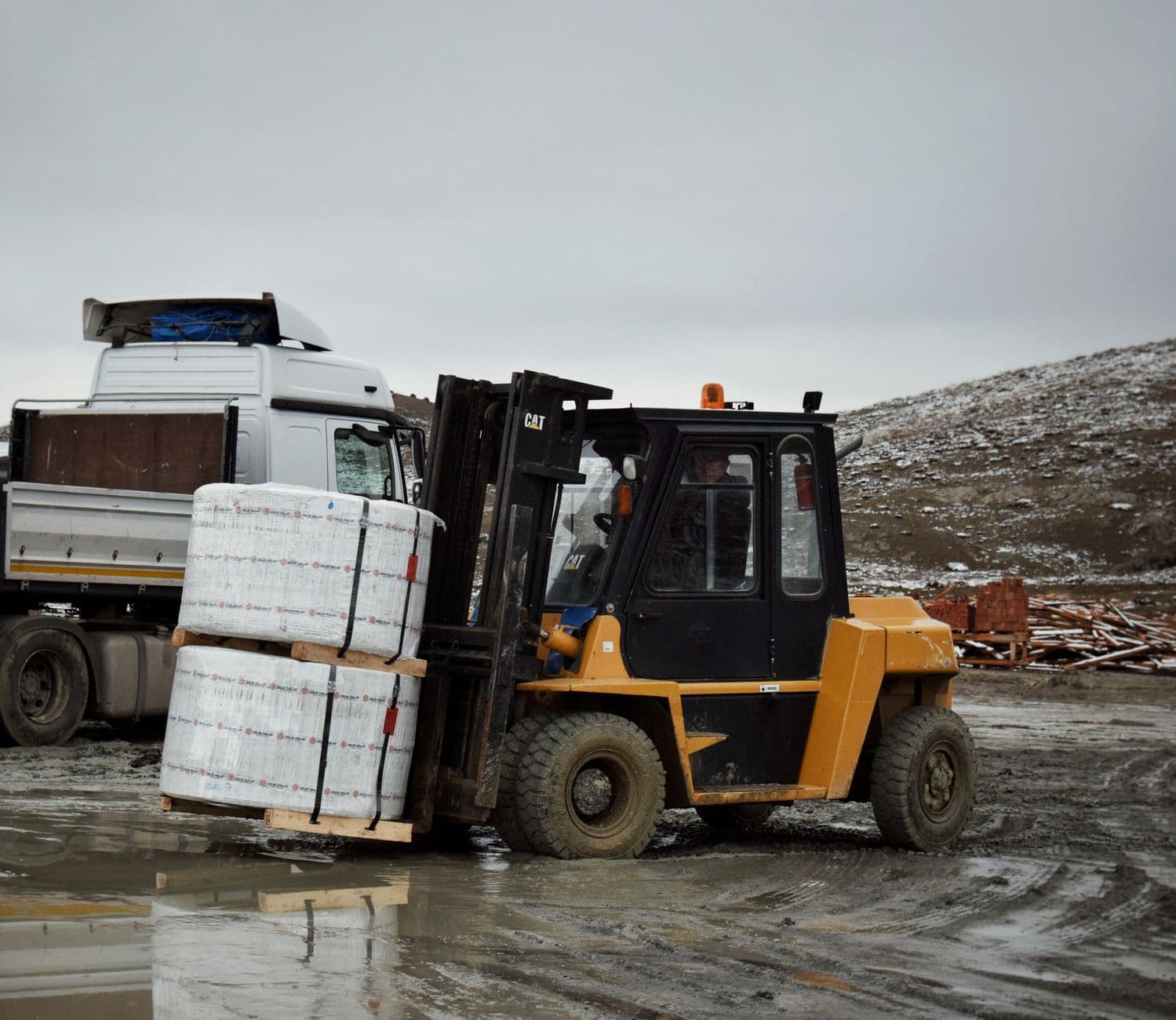
Toyota Material Handling's rental page describes scheduled service and maintenance within its long-term agreements. That is an example of why a rental payment can include more than access to the machine. It is not evidence that every rental contract includes the same protection.
Ask each provider about tyres, forks, battery care, accidental damage, misuse, call-outs and work outside normal hours. Get the response time and replacement-machine arrangements in writing. A statement that maintenance is included does not tell you how long production might stop while parts are sourced.
For a purchase, request a service proposal alongside the equipment quote. Identify who will organise inspections, approve repairs and arrange temporary hire.
Check the battery and attachments as separate assets
An electric forklift's invoice should make clear what battery and charger are included. Ask for their condition, service information, compatibility and any separate warranty terms. Have a qualified supplier assess whether the charging arrangement can support your shifts and site.
For a used machine, obtain an inspection that covers the equipment you will actually receive. A photograph of the forklift does not confirm the battery's condition, the charger specification or the status of an attachment. Record any near-term replacement expenditure in your purchase budget.
Our used equipment finance guide explains the broader ownership and valuation checks. Keep those checks alongside the operating assessment; the amount a lender may advance is not a prediction of maintenance costs.
Stress-test downtime and the exit
List the jobs that stop when the forklift stops. Consider whether another machine can safely do them and what temporary capacity would cost. Test a repair during your busiest week, not only during a quiet period when a breakdown would be manageable.
For ownership, compare a conservative sale value with the expected loan payout at your planned exit date. If a balloon is proposed, show it as a separate cash obligation. Do not assume resale proceeds or another loan will cover it.
For rental, read the end date, notice period, condition requirements and rules for changing the equipment. Ask what happens if the business relocates or wants to return the machine early.
Ask for a forklift-specific finance comparison
NAB's official equipment finance page explicitly includes forklifts among its asset examples. Our NAB lender profile gives broader context, but the equipment product and your transaction need separate assessment. Do not carry consumer vehicle pricing into a warehouse-equipment comparison.
Give Loanseekers the machine specification, purchase quote, rental alternative, usage records and service budget. State whether you want to own the forklift at the end and how much operating cash you need to preserve. If machinery is only part of a wider expansion, the asset finance versus business loan guide helps separate equipment from other costs.
The useful result is a like-for-like decision: the right machine, a workable service plan, affordable cash commitments and a credible exit. Compare those together before signing either a purchase or rental agreement.