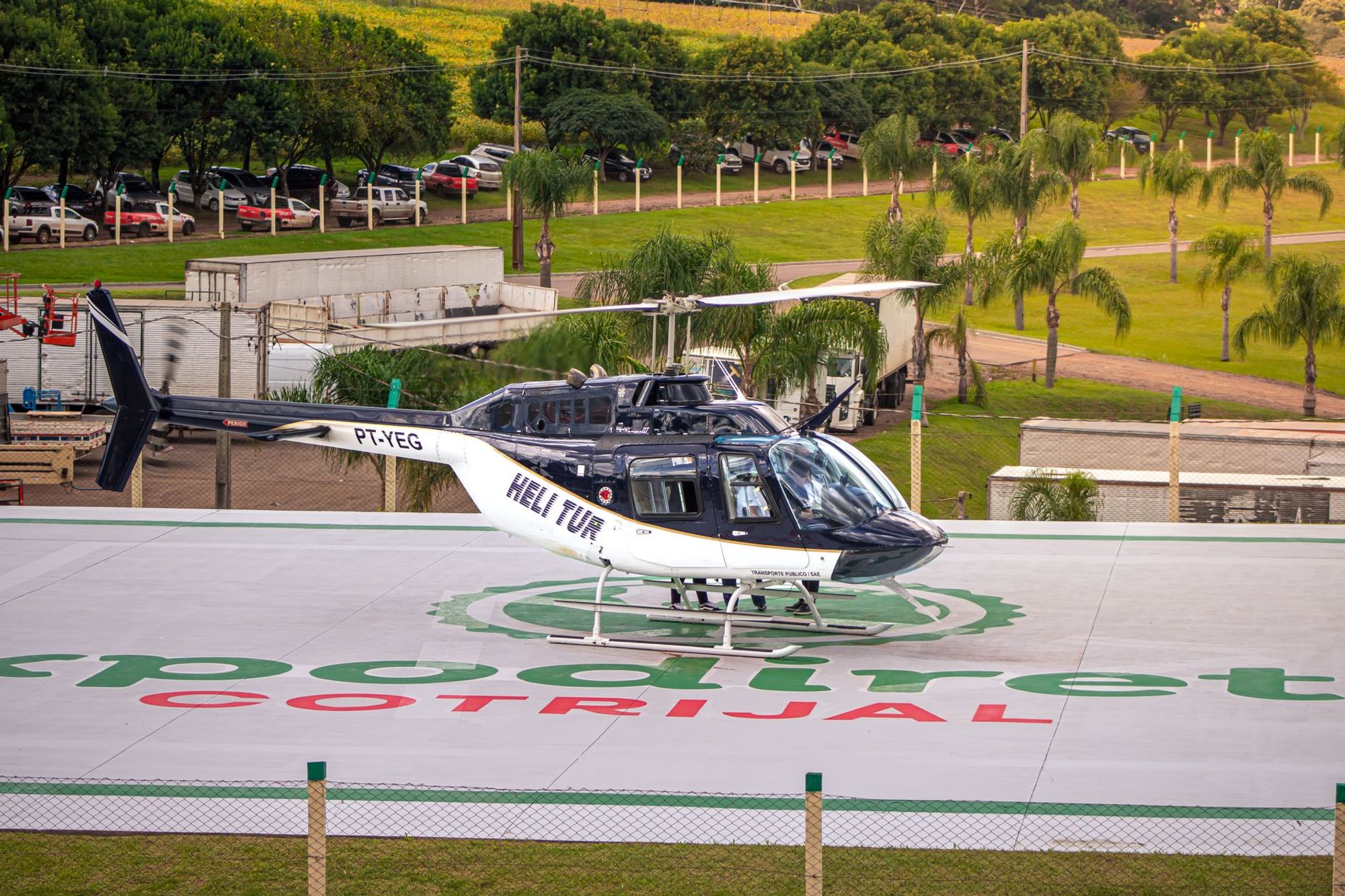
Used helicopter finance starts with a clear picture of what is being purchased. Two aircraft with similar model descriptions and asking prices can have very different records, component histories and near-term maintenance needs. A useful finance file brings those differences into view before the buyer settles on a deposit, loan request or purchase deadline.
The aim is to support a properly assessed transaction. An aircraft valuation is not an engineering inspection, and a finance decision does not establish airworthiness. Our helicopter finance overview covers the wider purchase process; this guide focuses on the evidence behind a used aircraft.
Make an aircraft identity sheet
Record the manufacturer, model, serial number, registration mark, year and physical location. Add the installed engine details and the major equipment included in the proposed sale. Where the listing, data plate, records or invoice disagree, mark the difference for investigation rather than choosing the most convenient version.
Make a separate inventory for spare parts, ground-handling equipment and anything the seller intends to remove. Photographs are useful supporting evidence, but the purchase agreement should identify what is actually included. A finance request based on an advertised package needs updating if valuable equipment is excluded later.
Start with the records, not the paintwork
CASA's aircraft logbook guidance explains the importance of maintenance records and the work involved when records are lost. A missing logbook is not a minor paperwork inconvenience to leave until handover.
Ask an appropriately qualified aircraft maintenance professional to identify what records are needed for this helicopter and what remains unresolved. Keep an indexed list showing what was supplied, its date range, who reviewed it and which further documents were requested. Record an unanswered question as unanswered; do not replace it with a seller's verbal assurance.
Build a component-status schedule
Ask the technical reviewer to translate the records into a usable schedule. For each relevant component, the schedule should identify the installed item, documented usage, applicable maintenance basis and the next action identified by the reviewer. Distinguish a component's history from the airframe's headline hours.
Where an interval depends on calendar time, operating hours, cycles or a combination, the assessment needs the applicable technical requirements and actual records. This is not something to calculate from a generic online overhaul interval. The output should make clear which dates and figures are verified and which assumptions remain open.
Understand how the aircraft was used
CASA's helicopter fatigue bulletin highlights the relevance of operational history and environment, beyond a simple hours total. It recommends detailed records and manufacturer advice where the operating circumstances require it. The bulletin is dated 2006; it is background guidance, not a current model-specific maintenance schedule.
Have the reviewer ask about prior work, storage, incidents, repairs and changes in operating environment. A polished sales description does not answer those questions. If the proposed use differs from the aircraft's previous work, explain that change to the technical reviewer and insurer before pricing the purchase as ready for service.
Define the inspection before booking it
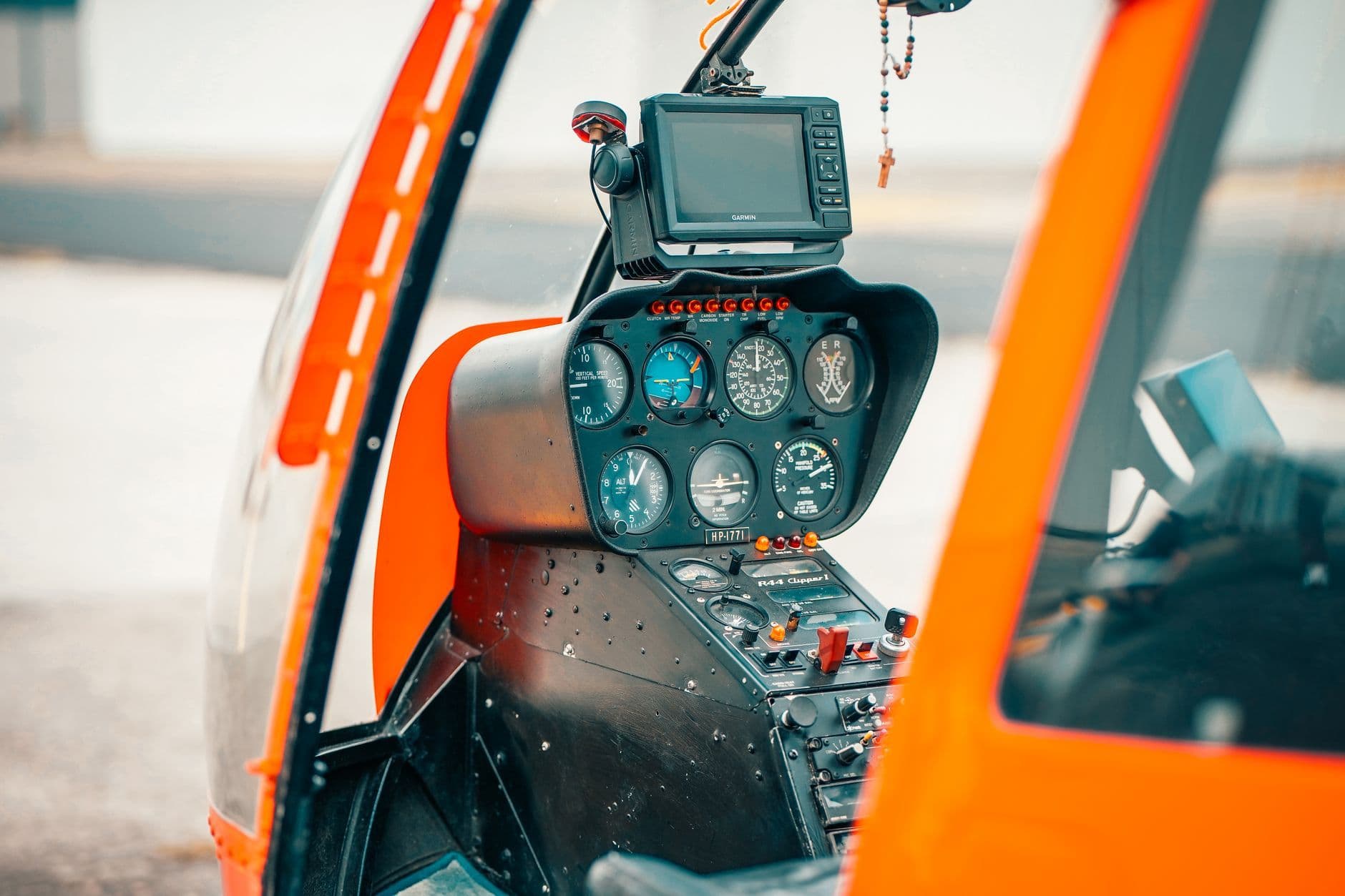
Choose an independent professional with appropriate experience for the aircraft and proposed inspection. Ask for a written scope covering records review, physical access, exclusions, reporting and the treatment of additional investigations. Clarify who may authorise extra work and what happens if an important area cannot be inspected.
Ask how applicable airworthiness directives will be checked and documented. CASA describes an AD as a mandatory regulatory document. The relevant requirements need specialist interpretation for the specific aircraft and installed equipment; this guide does not determine compliance.
An inspection report should distinguish an observed defect, an unresolved records question and a future planned task. They may produce different purchase decisions and different costs.
Give the valuer the same aircraft file
A useful valuation instruction includes the actual specification, equipment inventory, records position and identified maintenance needs. Ask whether the value assumes work has already been completed, whether it reflects the current condition, and whether any items are valued separately.
Do not treat an asking price as a lender's accepted value. Equally, a valuation accepted for a finance assessment does not remove the need to understand technical condition. If the lender or valuer requests further evidence, reconcile it with the inspection findings rather than keeping separate versions of the aircraft's condition.
Compare the purchase and immediate cash needs
Use a simple, invented example. Aircraft A costs $420,000. Investigation and delivery are budgeted at $15,000, identified near-term work at $55,000, and the buyer retains a $40,000 reserve. The total cash-and-purchase plan is $530,000.
Aircraft B costs $470,000, with $15,000 for investigation and delivery, $15,000 of identified work and the same $40,000 reserve. Its total is $540,000. The headline price difference is $50,000, but the difference between these particular plans is $10,000.
These figures are not helicopter cost benchmarks or quoted finance terms. Both plans still need comparable inspection scopes, realistic quotations and allowance for unresolved findings. The reserve is retained cash, not a known invoice, and the totals do not establish what a lender would fund.
Put downtime on the calendar
Ask the maintenance provider about parts availability, workshop capacity and the expected sequence of work. Keep a planning date separate from a confirmed booking. A cost estimate that omits the time needed to obtain parts can leave an otherwise detailed funding plan incomplete.
For business use, model a period with no aircraft revenue while finance and other fixed costs continue. For private use, consider the cost of delaying delivery or using alternative transport. The practical question is whether the buyer can carry the agreed purchase through the known work without relying on an unconfirmed future refinance.
Resolve the exceptions before settlement
Keep an exceptions list with an owner and next action for every unresolved matter. Examples include missing component history, an incomplete equipment inventory, a rectification quote awaiting confirmation or unclear seller authority. Closing the list requires evidence, not simply reaching the scheduled settlement date.
Have your legal adviser assess ownership and the required security searches. As CASA explains, aircraft registration does not conclusively establish title. For an imported aircraft, use CASA's import guidance before assuming overseas records or modifications meet Australian requirements.
Present one consistent funding file
Combine the aircraft identity sheet, indexed records, inspection findings, valuation, cost plan and purchase conditions. For business buyers, the commercial finance documents guide covers the accompanying financial file.
Contact Loanseekers to discuss helicopter funding against the actual aircraft and buyer. Our business equipment finance information can help frame a business enquiry, while technical acceptance, insurance and the lender's final requirements remain specific to the purchase.