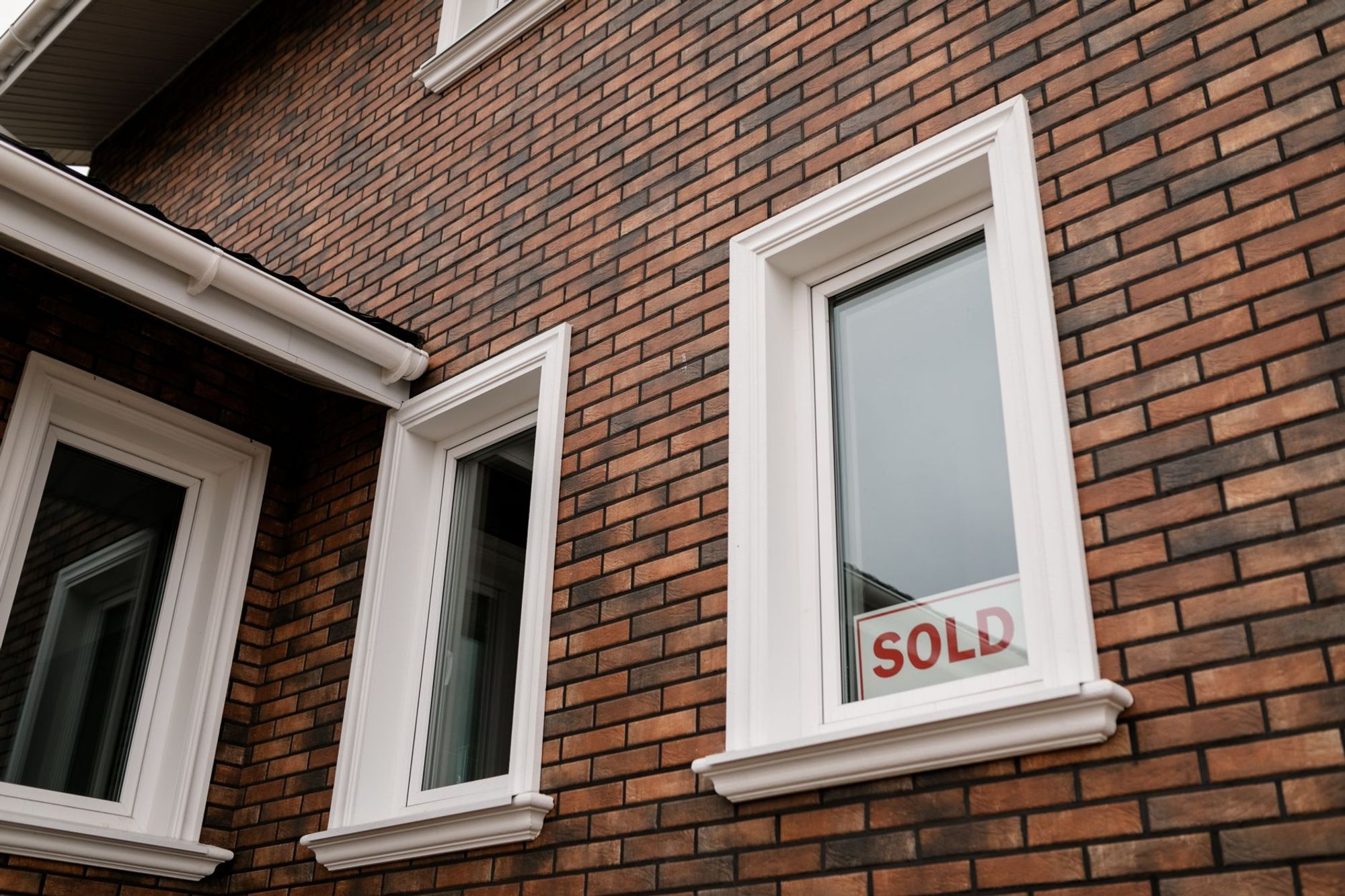
Australian property values fell for the first time since 2022
The Australian Bureau of Statistics has released its Total Value of Dwellings figures for the June quarter 2026, and for the first time since the September quarter 2022 the value of the nation's housing stock went backwards. The total value of residential dwellings fell by $34.1 billion to $12,688.9 billion over the quarter, a drop of about 0.3 per cent. It is a small move in percentage terms, but the direction is what matters: after years of near unbroken growth, the wealth tied up in Australian homes is no longer rising.
For anyone thinking about a loan, whether that is a mortgage, a car loan or a personal loan, a shift like this changes the backdrop you are borrowing into. Here is what the numbers say and what they mean for your borrowing power.
What the June quarter numbers actually say
Three figures tell the story. The mean price of residential dwellings fell by $8,200 to $1,100,400, a decline of 0.7 per cent for the quarter. The number of residential dwellings rose by 54,400 to 11,531,100, so the country kept adding homes even as their average value slipped. And the total value of the stock, which combines both, fell by that $34.1 billion.
The fall in the mean price is the part that speaks most directly to buyers. A typical Australian home is still valued at just over $1.1 million on these figures, but it is worth a little less than it was three months earlier, when the mean sat at $1,108,600. It is the first quarterly fall in the average since the market's last soft patch.
Why New South Wales and Victoria drove the fall
The national number hides a split between states. The total value of residential dwellings fell in New South Wales, down 2.0 per cent or $92.9 billion, in Victoria, down 1.6 per cent or $44.3 billion, and in the Australian Capital Territory, down 0.7 per cent or $1.4 billion. Value rose in every other state and territory.
In other words, the two largest and most expensive markets pulled the national figure down, while smaller and more affordable markets kept climbing. If you are buying in Queensland, Western Australia, South Australia, Tasmania or the Northern Territory, your local picture may look nothing like the headline. That is worth remembering before you read a national fall as a signal about your own suburb.
What falling property values mean for your borrowing power
Here is the part that surprises people: a fall in property values does not, on its own, lift how much a lender will let you borrow. Borrowing power is driven by serviceability, which is your income minus your expenses and existing commitments, tested against your repayments at an interest rate buffer above the actual rate. Property prices do not enter that sum directly.
What lower prices do change is the size of the loan you need. If the home, or the car, or the asset you are financing costs less, the deposit target and the loan itself shrink with it. In a flat or falling market you also have less pressure to stretch, because you are not chasing a price that moves every month. Our borrowing and repayment calculators let you test a lower purchase price against a realistic repayment and see where your own limit sits.
If you are buying: deposits, loan to value and timing
For a buyer, softer prices cut both ways. A lower price means a smaller deposit in dollar terms to reach the same loan to value ratio, and it means the stamp duty and other costs that scale with price ease a little too. That is genuinely helpful if you have been saving toward a target that kept running away from you.
The caution is loan to value. If you buy near the top of your budget in a market that is still drifting down, you can find your loan is a larger share of the property's value than you expected, which affects lenders mortgage insurance and your room to refinance later. A larger deposit is the simplest buffer against that risk. None of this is advice about whether to buy now; it is general information about how the moving parts fit together.
If you already own: equity, refinancing and the wealth effect
If you own your home, a fall in its value trims your equity on paper. For most owners who are not selling, that is an accounting change rather than a cash one, but it matters in two practical situations. The first is refinancing, where the valuation your new lender puts on the property sets how much you can borrow and at what rate. If values have softened in your area, order your thinking around a conservative valuation. Our refinancing guide walks through when a switch actually pays off and when the costs outweigh it.
The second is the wealth effect. When housing wealth stops rising, households tend to tighten spending, and lenders watch that in their assessments of living expenses. If you are applying for any loan, a clean, accurate picture of your everyday spending will do more for your application than the direction of the property market.
The cash rate is still doing the heavy lifting
Property values are one input; the price of money is the other. The Reserve Bank held the cash rate at 4.35 per cent at its August 2026 meeting, and that unchanged setting is what keeps the serviceability buffer, and therefore borrowing power, broadly stable from month to month. A softer housing market does not change the rate on your car loan or personal loan, which is set by the lender against your profile and the asset, not by the value of houses in Sydney or Melbourne.
That separation is the key takeaway. If you want to see how different lenders price the same borrower, compare current offers on our lenders page rather than reading a property headline as a rate signal.
How to check where you stand
The June quarter fall is a genuine turn after a long run of growth, but it is a modest one and it is concentrated in two states. For a borrower, the practical response is not to time the market but to get your own numbers right: know the price you are actually working with, test the repayment at a realistic rate, and keep your expenses tidy before you apply. Start with the calculators, and if you are weighing a switch on an existing loan, the refinancing guide is the place to begin.