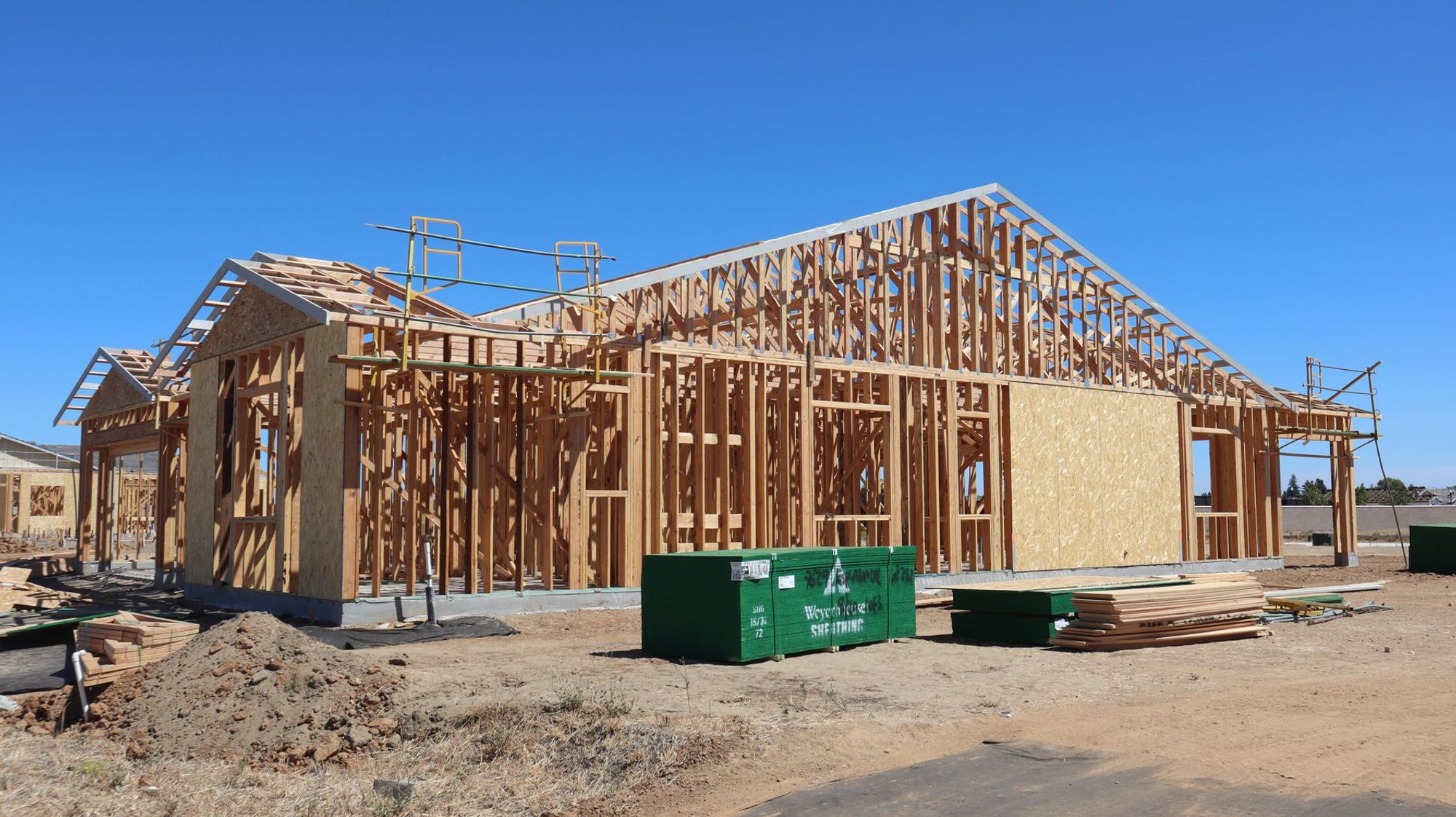
What the July 2026 building approvals figures showed
The Australian Bureau of Statistics reported that the total number of dwellings approved fell 3.6 per cent in July 2026, to 17,687 on a seasonally adjusted basis. Approvals for private sector houses fell 4.2 per cent, while approvals for private dwellings excluding houses, the category that captures apartments and townhouses, edged down 0.4 per cent. The figures were released on 1 September 2026.
The value of building work told a similar story. The value of total residential building fell 4.9 per cent to $11.26 billion, made up of a 5.0 per cent fall in new residential building to $9.97 billion and a 3.9 per cent drop in alterations and additions to $1.29 billion.
Building approvals rarely make headlines, but they are one of the clearest forward looking signals of how much new housing is likely to reach the market. Every approval is a home a council has cleared to be built, so the series is a useful read on the supply side of the property market long before those homes are finished and sold.
Why a fall in approvals still points to tight supply
It can seem odd that fewer approvals is framed as a supply problem rather than a sign of cooling demand. The link runs through time. Approvals granted today become completed homes in roughly one to two years. When the monthly approvals count softens, it points to fewer new homes reaching buyers down the track, which keeps the balance between supply and demand tight.
That matters for anyone planning to borrow. A tight supply of new housing tends to support property values, and firmer values feed directly into the size of the deposit a buyer needs and the size of the loan they take on. For existing owners, steady values can preserve the equity that lenders look at when you refinance or consolidate. You can model different loan sizes and repayments using the Loanseekers calculators before you commit to anything.
Houses versus apartments, a pullback rather than a collapse
The detail matters here. The 4.2 per cent fall in private house approvals came straight after June, which recorded the most house approvals since September 2021. Measured against the same month a year earlier, July house approvals were still 6.0 per cent higher than July 2025. In other words, the monthly drop was a step back from an unusually strong month, not a sign that construction has stalled.
Apartments and other higher density dwellings held up better. That category slipped just 0.4 per cent and stayed above 7,000 approvals for the second month in a row, which is an elevated level by recent standards. Daniel Rossi, the ABS head of construction statistics, noted that this part of the pipeline remains strong even as detached house approvals eased.
For borrowers, the split is a reminder that the market is not moving in one direction everywhere. Higher density supply is holding up in the capital cities while detached housing swings around from month to month.
What tighter housing supply means for borrowing power
Borrowing power is the amount a lender is prepared to advance based on your income, your expenses and the buffer they apply to repayments. Housing supply does not change that calculation directly, but it shapes the environment you borrow into. When new supply is constrained and prices hold firm, buyers often need larger loans, and larger loans are harder to service at current rates.
Housing costs also feed into the living expenses a lender assesses on every application, including car and personal finance. Rent and mortgage repayments are among the biggest line items in a household budget, so pressure on housing costs can quietly reduce the amount left over to service a new commitment. If you are weighing up a vehicle purchase, it is worth checking current car loan rates and reviewing your budget before you apply, rather than after.
How the cash rate fits the picture
Monetary policy is the other half of the story. The Reserve Bank of Australia held the cash rate target at 4.35 per cent at its August 2026 meeting, leaving it unchanged since it took effect on 12 August 2026. A steady cash rate means serviceability buffers are holding where they are, so the assessment rate lenders test you against has not eased.
A held rate is not a falling rate. Borrowers waiting for repayments to drop before they act may find that firm property values and a steady cash rate leave the overall picture much as it is. If you already hold a loan, it can be worth checking whether a refinance improves your position, and comparing what different lenders will offer against your current arrangement.
Practical steps for borrowers right now
The July approvals figures do not call for any single response, but they do sharpen a few sensible habits. Know your numbers before you shop, because a clear view of your income and expenses tells you what you can service. Build in a buffer, since a steady 4.35 per cent cash rate means the assessment rate is not falling. And compare widely, because the gap between a sharp offer and an average one can be worth more than a small move in the cash rate.
For more on how these forces connect, see our coverage of property prices and borrowing power and new home lending. This article is general information only and does not take your personal circumstances into account.