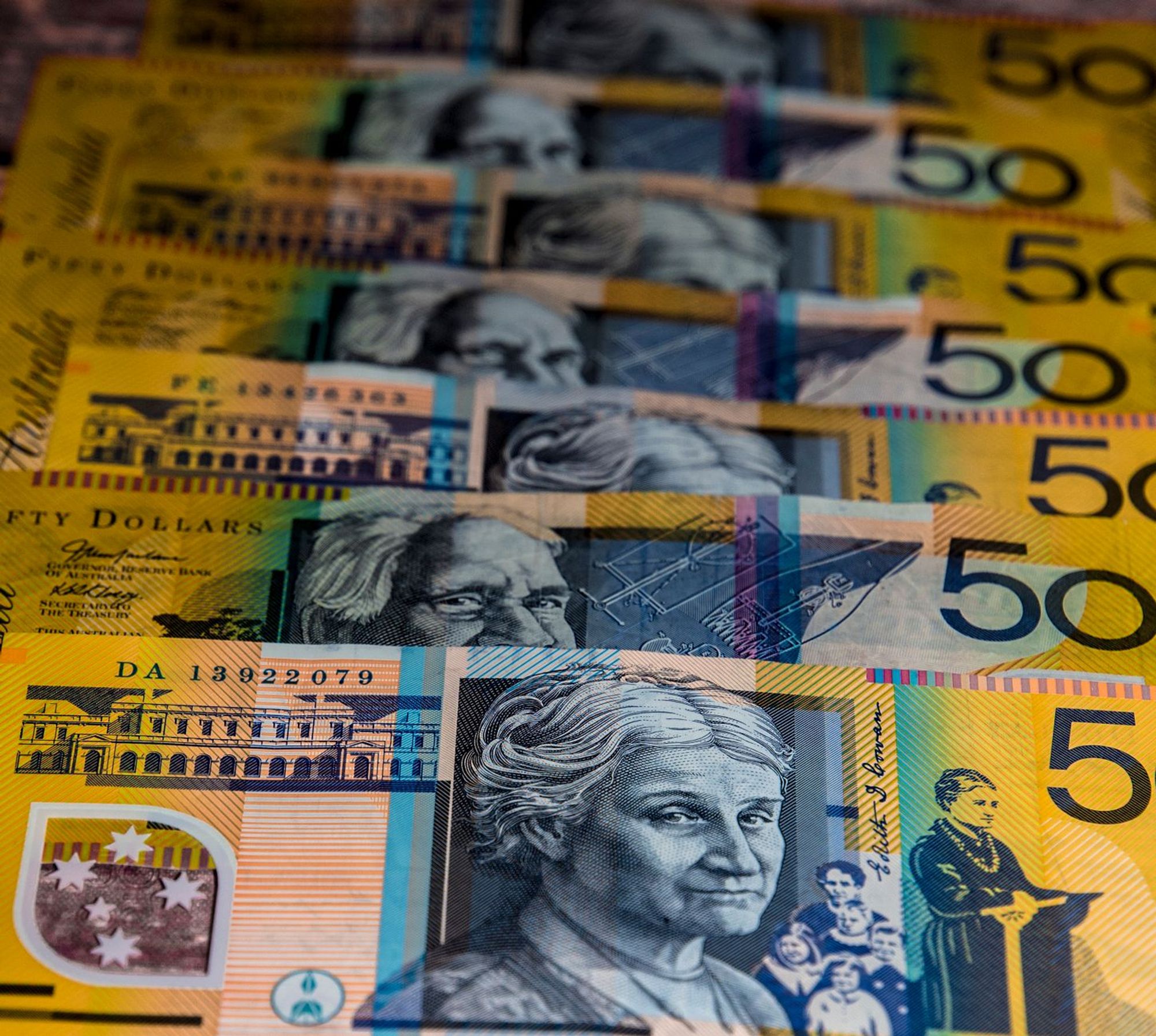
The Reserve Bank of Australia's cash rate target sits at 4.35% as at 13 August 2026. The last move was a 0.25 percentage point increase announced in early May 2026, the third rise in a row after increases in February and March lifted the rate from 3.60%. The Board has since held the rate steady twice, in June and again on 11 August 2026, and the next decision is due at the September meeting.
If you have a car loan, a personal loan, or you are about to apply for one, here is what the cash rate actually means for you, in plain English.
What the cash rate is
The cash rate is the interest rate banks pay to borrow money from each other overnight. The RBA's board reviews it eight times a year. It is not the rate you pay on your loan, but it is the base ingredient in almost every lending rate in the country. When the cash rate moves, lenders reprice what they charge for mortgages, car loans and personal loans, usually within weeks.
What the 2026 rises mean for car loans
Most car loans in Australia are fixed rate, so if you already have one, your repayments do not change when the RBA moves. The rate you locked in is the rate you keep until the loan ends. That certainty is one of the reasons fixed rates are standard for vehicle finance.
The rises mainly affect people applying for a new loan. Lenders have been repricing new fixed rates upward through 2026, which means two things if you are shopping for a car:
- The rate you are quoted today may not be available next month if the cycle continues.
- The gap between the sharpest lender and the most expensive lender for your profile is wider than usual, so comparing across a panel matters more, not less.
What it means for personal loans
Variable rate personal loans do move with the cycle, so existing borrowers on variable products have seen repayments rise this year. If your personal loan is variable and the repayments are starting to bite, it can be worth checking what a refinance would look like, especially if your credit position has improved since you took the loan out.
Should you wait for rates to fall before buying a car?
Nobody can tell you where rates go next, and this article certainly will not try. What we can say is arithmetic, not prediction: on a typical five year car loan, a quarter point rate difference changes the repayment on a $40,000 loan by roughly five dollars a week. Car prices, trade in values and running costs usually move your total position far more than a single rate decision does. Waiting has a cost too, so the better question is usually whether the loan fits your budget at today's rates with a margin for more rises.
How to pressure test your budget
- Work out your repayment at the quoted rate, then add half a percent and check you are still comfortable.
- Use our car loan repayment calculator to see the numbers at different rates and terms.
- Keep your loan term honest: a longer term lowers the repayment but increases total interest.
- If certainty matters to you, a fixed rate removes the guesswork for the life of the loan.
Where Loanseekers fits
Loanseekers compares options across 70+ lenders, and because different lenders have repriced differently through this cycle, the spread between quotes for the same borrower can be significant right now. An enquiry does not affect your credit score, and our specialists can tell you which lenders currently suit your situation.