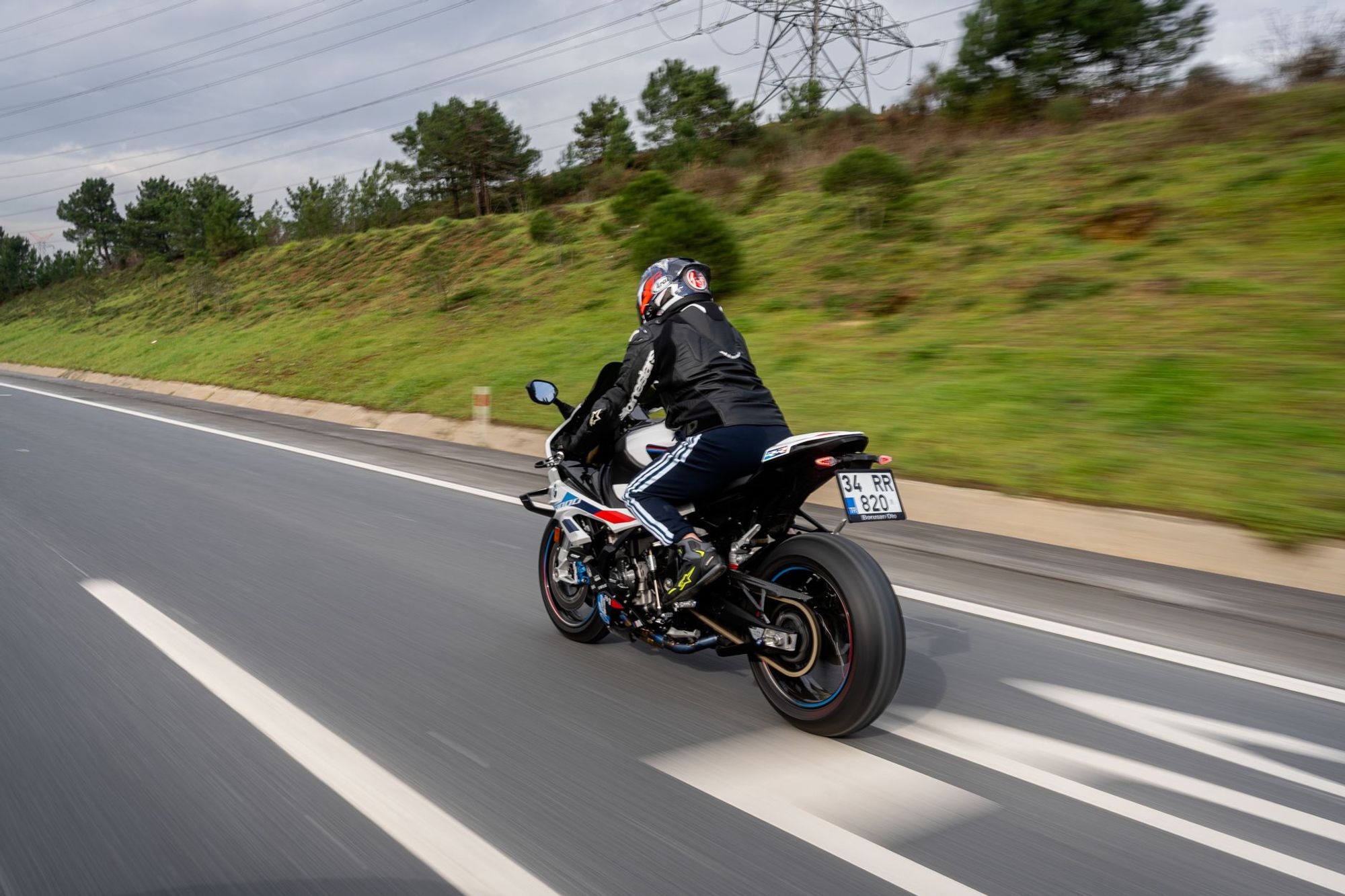
Motorcycle finance runs on the same rails as car finance, secured, fixed, 1 to 7 year terms, with a few two-wheeled differences worth knowing before you sign anything in a showroom full of things you want. Here is the short, honest guide.
Secured or unsecured, and when each fits
New and late-model bikes suit secured loans: the bike is security and the rate is sharper. Older bikes, some grey imports and project machines fall outside many lenders' security criteria, which points to unsecured finance at a higher rate; on small loan amounts the difference in dollars can be modest, so compare both shapes.
What lenders look at
The usual serviceability picture: income, expenses, debts and credit history. On the bike itself: age, model and value. Learner-legal commuters and mainstream road bikes are straightforward; exotic, heavily modified or track-only machines narrow the lender field. Private sales are financeable with the standard extra checks on ownership and encumbrance.
The gear question
Helmets, jackets, boots and a rack of protective gear are not optional, and several lenders allow accessories, gear, registration and insurance to be financed with the bike, subject to approval. Rolling essentials into the loan spreads the cost, and interest applies to them, so keep the total honest against the bike's value.
Bike-budget realism
Insurance quotes vary far more between bikes than most riders expect: get the quote before committing to the loan, not after. Add rego, servicing, tyres (bikes eat them) and gear replacement, and shape the repayment inside that whole picture. Our calculators turn any quote into a weekly number in seconds.
Comparing bike lenders
The bike-lending field is smaller than cars, and appetites differ by bike type and rider profile. A soft-check enquiry through Loanseekers compares your position across the panel with no credit score impact, so the showroom stays a place to choose the bike, not the money.